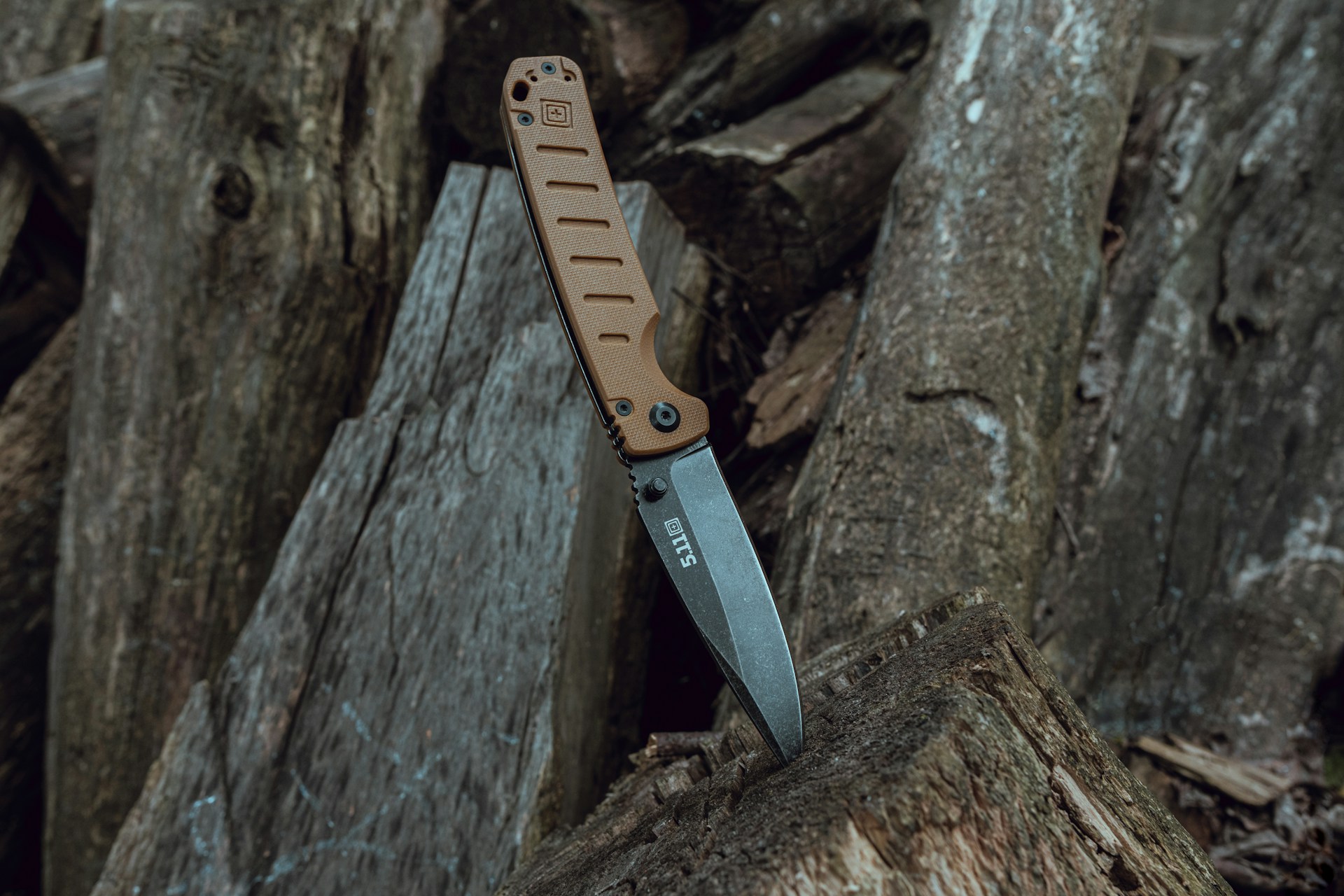
The perfect everyday carry knife is not the biggest one you can legally cram in your pocket, but the smallest blade that still does every job you actually face.
Story Snapshot
- Most experts quietly agree: a roughly 3–4 inch blade is the practical sweet spot for EDC performance and legality.
- Task needs, pocket comfort, hand size, and local law all pull blade length in different directions.
- Urban office life rewards smaller, more discreet blades; field work and rural life reward more steel.
- Conservative common sense says: obey the law first, then max out utility inside that box.
Why The Old “Bigger Is Better” Rule Fails In Your Pocket
Every knife person goes through the same phase: the “just one more half-inch” stage. You start with something modest, then talk yourself into a little more blade, then a little more, until you carry a folding sword that drags your pants down and freaks out coworkers. Manufacturers helped fuel this in the 80s and 90s with tactical folders that treated size as status. Today, credible guides have quietly reversed course, steering buyers toward leaner, more realistic dimensions.
Brands that make and sell knives for a living now converge on a simple number: about three inches. Lansky calls 3–4 inches “generally best” for an EDC blade. Toor Knives says everyday carry blades “typically range from 3 to 4 inches,” praising that span as versatile yet unobtrusive.Ruike frames 2–4 inches as normal and singles out 3 inches as the balance point between function and portability. Knife Depot echoes them: roughly three inches, give or take, is the right lane for most people.
How Your Tasks, Hands, And Pockets Quietly Vote On Blade Length
Daily cutting chores look boring on paper—boxes, clamshell packaging, string, food, the odd bit of plastic—but they drive the real engineering behind EDC sizes. A blade under two inches can feel cramped when you bear down on cardboard; a blade over four inches becomes more knife than those jobs justify. Medium “6–9 cm” (about 2.4–3.5 inches) blades are widely described as the format that still handles bigger tasks while staying nimble for precise work.
Hand size matters more than enthusiasts admit. Smaller hands often control a 2.5–3 inch blade more confidently, while large hands may feel cramped below about three inches and more at home around 3.5–4. Weight and bulk follow: many modern guides nudge buyers toward mid-size blades paired with moderate overall weight so the knife disappears in a pocket instead of printing like a brick. That practical comfort, not bragging rights, is what actually keeps a tool on you instead of in a drawer.
Why Knife Law, Not Instagram, Sets Your Upper Limit
Knife companies can recommend ranges all day long, but legislators get the final say on what length you can lawfully carry in public. Legal overviews aimed at EDC buyers repeatedly warn that many U.S. states and cities cap blade length around 3–4 inches for general public carry. Some jurisdictions tighten the screws even more in “sensitive locations,” with specific rules such as California’s two‑inch maximum in certain settings. Laws typically distinguish folding versus fixed blades and concealed versus open carry, which changes what “safe” length really means.
Legal nuance runs deeper than a tape measure. Trainers and legal‑minded guides point out that wording like “up to three inches” is not identical to “three inches and under.” To stay on the right side of both statute and officer interpretation, some self‑defense instructors recommend carrying a blade slightly under common thresholds—around 2.75 inches—especially for fixed‑blade EDC in 3‑inch jurisdictions. Conservative values align neatly here: respect the law, avoid gray zones, and do not hand a prosecutor an easy technical win over a few extra millimeters of steel.
Choosing Your Personal Sweet Spot Inside The 2–4 Inch Band
Most reputable guides now describe everyday carry territory as roughly 2–4 inches of blade, with the bull’s‑eye near three. The low end—2 to 2.75 inches—fits urban workers who ride public transit, navigate corporate HR policies, and want zero drama. These compact blades open mail, slice fruit, and trim cord while looking more like tools than weapons in public. That makes them easier to justify to bosses, spouses, and, if it comes to it, officers on the street.
The middle band—about 3 to 3.5 inches—offers more reach and cutting power for people who split time between office, home projects, and outdoors. Tradespeople, rural residents, and outdoor enthusiasts often land here, sometimes pairing a mid‑size EDC folder with a larger work or field knife when local law permits. The upper edge of EDC—3.5 to 4 inches—pushes against legal and social ceilings but can make sense where statutes are generous and tasks are demanding, such as ranch work or backcountry use.
Sources:
Lansky: How to Choose the Right Knife for the Job
Toor Knives: Everyday Carry Knives
Ruike: How to Choose the Perfect EDC Knife – A Comprehensive Buying Guide
5.11 Tactical: How to Choose Knives and Pocket Tools for Everyday Carry
Knivesandtools: EDC Pocket Knives Buying Guide by Size
Knife Depot: How to Choose a Knife for Everyday Carry (EDC)
Fintiso: How to Choose Your Best EDC Knife – U.S. Legal