The future of personal defense isn’t just in aiming accurately, but in seeing the danger before it strikes.
Story Snapshot
- Situational awareness in firearms training is shifting focus from shooting skills to threat recognition and decision-making.
- Programs emphasize observation, avoidance, and de-escalation, originating from military and law enforcement practices.
- Scenario-based and simulator training are growing trends, offering civilians tools for real-life threat management.
- The debate continues: Does awareness training with firearms enhance or undermine public safety?
The Evolution of Firearms Training
Modern firearms training has evolved far beyond the static marksmanship of the past. Today, there’s an increasing emphasis on situational awareness, which involves recognizing and responding to threats before they materialize. This shift originates from military and law enforcement doctrines, focusing on mindset and decision-making under stress. Programs like MILO Range, which provide immersive, scenario-based training, are designed to improve these critical skills.
These training programs teach participants to scan their environment, identify potential threats, and make informed decisions. This is a departure from traditional training methods that prioritized shooting accuracy above all else. Instead, the emphasis is now on understanding the situation and acting appropriately, whether that means de-escalation or defensive action.
Situational Awareness in Civilian Use
The rise of active shooter incidents and increased civilian interest in personal defense have fueled the demand for situational awareness training. Programs such as A.L.I.V.E. Active Shooter Survival Training focus on teaching civilians how to recognize and react to threats swiftly. These courses stress the importance of threat avoidance and early recognition, which can be life-saving in dire situations.
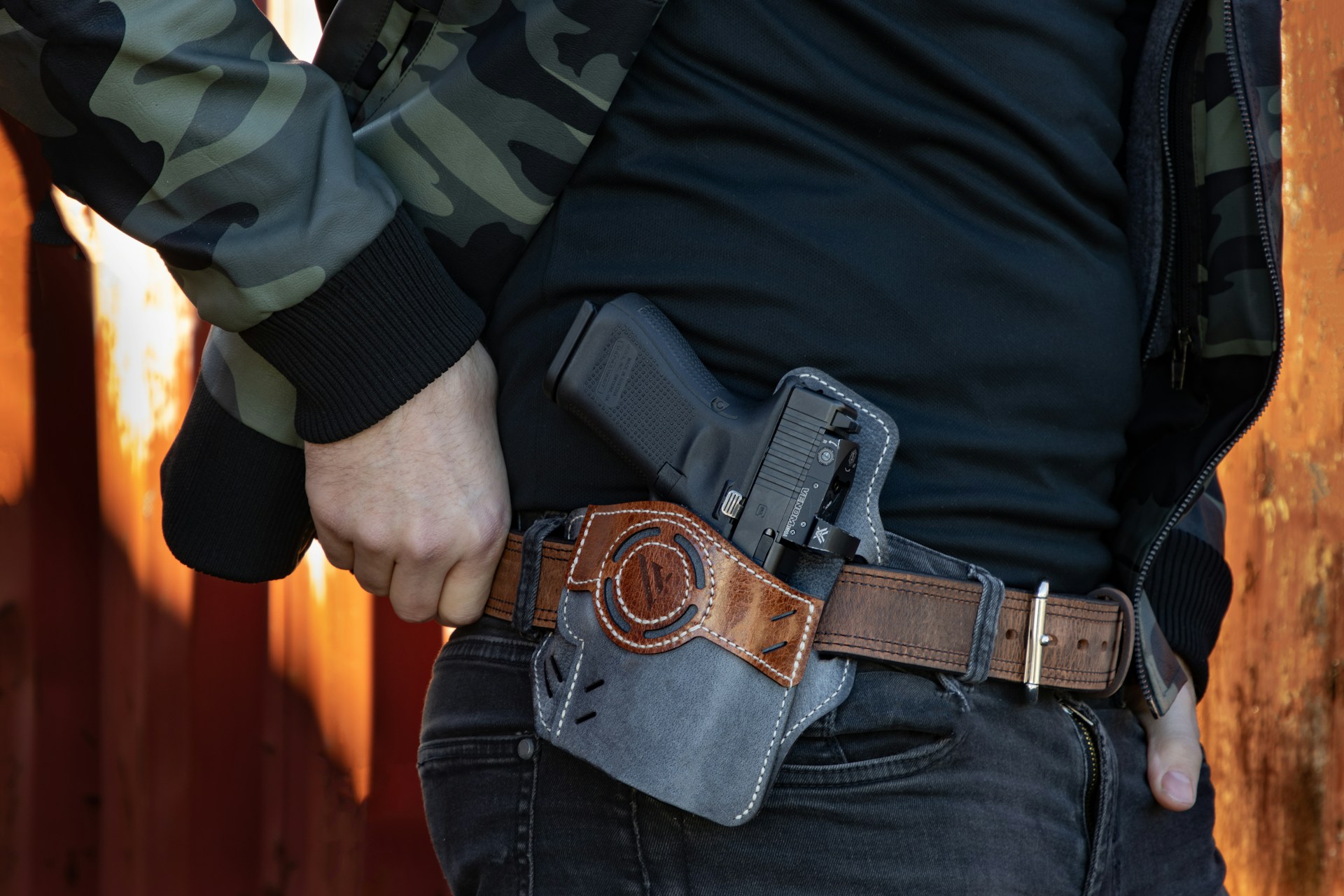
For civilian gun owners, situational awareness is often integrated with concealed carry and home defense strategies. The goal is to prevent dangerous situations from occurring and, if necessary, make the right shoot/don’t-shoot decisions under pressure. This approach promotes not just personal safety but also responsible gun ownership.
Technological Advancements in Training
Technology plays a significant role in enhancing situational awareness training. Devices like the Strikeman and Mantis systems provide at-home training solutions that incorporate scanning, threat identification, and reaction-time drills. These tools allow individuals to practice situational awareness in a controlled environment, honing their skills without the need for live ammunition.
Simulators such as MILO Range offer law enforcement and civilians alike the chance to engage in realistic scenarios. These systems use visual and auditory cues to create high-pressure situations, helping trainees develop the composure needed to make quick, accurate decisions.
The Broader Impact of Awareness Training
Situational awareness training is more than just a personal defense tool; it’s a mindset shift within the firearms community. By prioritizing awareness, observation, and judgment, gun owners and law enforcement officers can potentially reduce the risk of unnecessary confrontations and shootings. This training paradigm is grounded in the belief that understanding one’s environment is as crucial as any physical skill.
However, the effectiveness of situational awareness training on a societal level remains a topic of debate. While proponents argue that it equips individuals to handle threats responsibly, critics question whether it truly mitigates the inherent risks of widespread firearm access. As these discussions continue, the role of situational awareness in personal defense will likely evolve, reflecting broader societal attitudes toward guns and public safety.
Sources:
Strikeman: How Firearm Training Improves Reaction Time and Situational Awareness
Firearms Legal Protection: Defensive Firearms Training Tips for Real-Life Scenarios
FAAC: Situational Awareness Training
Mantis: Situational Awareness Training When Working With Firearms