
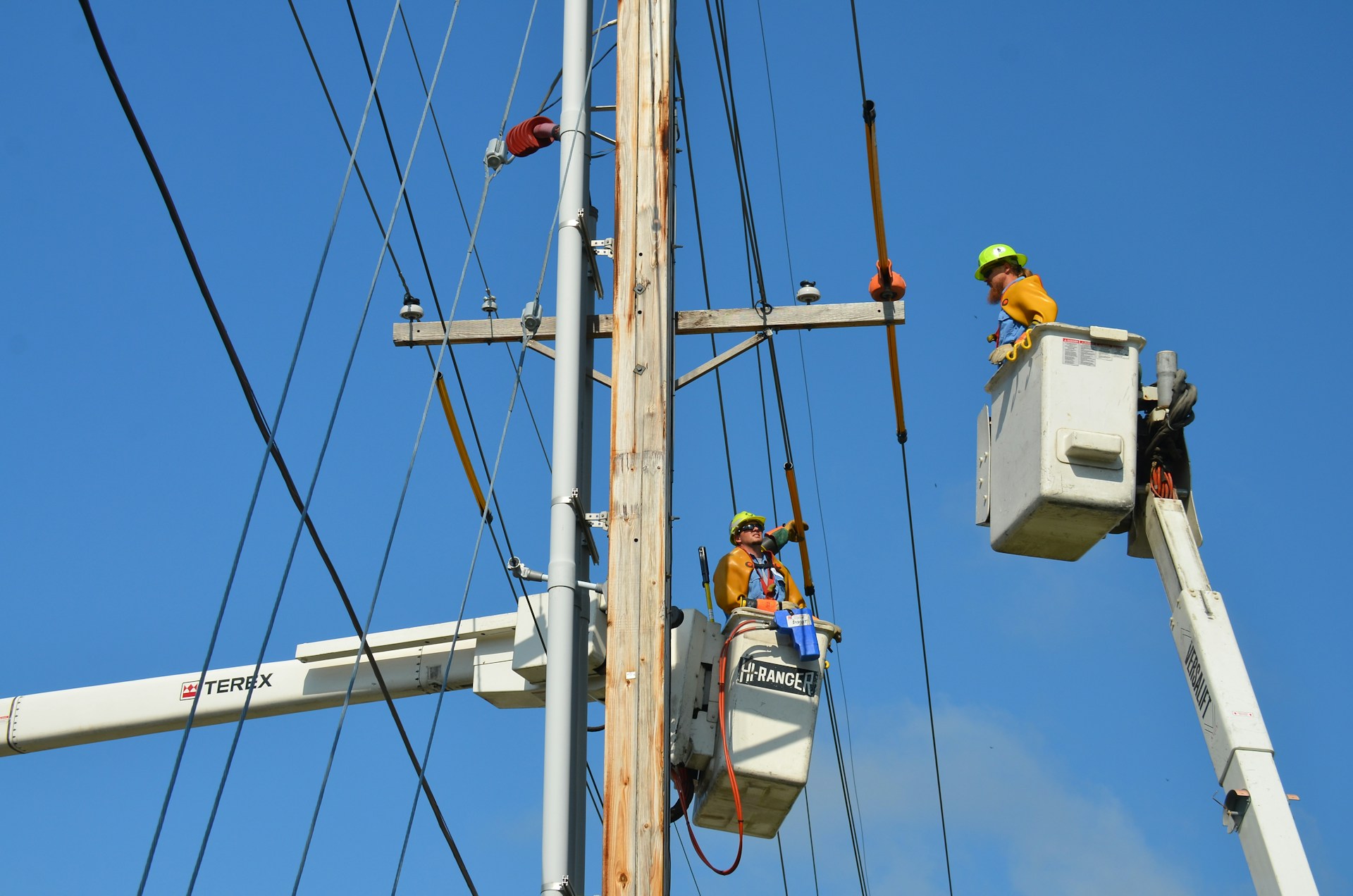
Most people don’t think about the power grid until the lights go out. Electricity is expected to work quietly in the background, supporting everything from homes and hospitals to communications and transportation. But in recent years, power grid maintenance has moved from a technical concern to a national preparedness issue, with implications that reach far beyond convenience.
Understanding why power grid maintenance matters now helps explain how infrastructure reliability connects directly to public safety, emergency response, and community resilience.
The Power Grid Was Built for a Different Era
Much of the United States power grid was designed decades ago. It was built for predictable demand patterns, centralized power generation, and more stable weather conditions. Today’s reality looks very different.
Demand is higher and more variable. Extreme heat and cold strain equipment. Renewable energy sources introduce new operational complexity. At the same time, many components of the grid are aging and overdue for upgrades.
Maintenance is no longer just about keeping things running. It’s about adapting systems to conditions they were never designed to handle.
Why Maintenance Affects More Than Electricity
When the power grid struggles, the effects ripple outward. Hospitals rely on electricity for life-saving equipment. Water treatment facilities need power to operate safely. Communication networks depend on stable electricity to function during emergencies.
Grid failures complicate emergency response by slowing coordination and limiting access to critical services. Even short outages can escalate situations that would otherwise be manageable.
A brief visual explanation can help illustrate how power grid disruptions affect multiple systems at once.
Weather, Demand, and System Stress
One reason grid maintenance has become a preparedness issue is the growing mismatch between system capacity and real-world stress. Heat waves increase air conditioning use while also degrading equipment. Severe storms damage lines and substations. Wildfires force preemptive shutdowns to reduce risk.
Maintenance delays make systems less resilient under these pressures. When repairs are postponed, small issues accumulate until they surface during extreme conditions.
Preparedness depends on preventing failures before they cascade.
Maintenance Backlogs and Workforce Challenges
Power grid maintenance isn’t just about funding. It’s also about skilled labor. Utilities face shortages of experienced technicians, engineers, and line workers. Training new workers takes time, and retirements have accelerated gaps.
Backlogs grow when staffing can’t keep pace with inspection and repair needs. This increases the risk of failures during peak demand or emergencies.
Grid reliability reflects long-term investment decisions, not just immediate fixes.
What This Means for Preparedness at the Community Level
From a preparedness perspective, grid maintenance shapes how communities experience disruptions. Areas with robust maintenance and modernization recover faster from outages. Areas with deferred maintenance face longer restoration times and greater risk.
This reality has shifted how emergency planners think about infrastructure. Power systems are now seen as foundational preparedness assets rather than background utilities.
Another short video can help explain how grid maintenance fits into broader emergency planning.
Key Insights for Everyday Readers
Understanding the power grid’s role in preparedness helps people interpret outages and planning efforts more clearly.
Important takeaways include:
-
Why aging infrastructure increases outage risk
-
How extreme weather stresses power systems
-
Why maintenance prevents cascading failures
-
The connection between electricity and emergency services
-
How preparedness depends on infrastructure reliability
These insights provide context without alarmism.
Preparedness Is Moving Upstream
National preparedness increasingly focuses on prevention rather than reaction. Maintaining and upgrading the power grid reduces the likelihood of emergencies escalating in the first place.
This shift doesn’t mean outages will disappear. It means resilience improves when they occur. Faster restoration, fewer secondary impacts, and clearer communication all depend on underlying system health.
Maintenance is one of the least visible but most effective preparedness strategies.
Why This Conversation Matters Now
Power grid maintenance has become a national issue because it sits at the intersection of infrastructure, safety, and resilience. As systems age and conditions change, ignoring maintenance increases vulnerability.
Recognizing maintenance as preparedness reframes it from a cost to an investment. It’s not about preventing inconvenience. It’s about supporting stability in moments that matter most.
When Reliability Becomes Readiness
Preparedness isn’t only about emergency kits and response plans. It’s also about the systems that make everyday life function safely. When the power grid is well maintained, communities are better equipped to handle disruption calmly and effectively.
In that sense, grid maintenance is no longer just an engineering task. It’s a quiet but critical form of national readiness.
Sources
-
U.S. Department of Energy
-
Federal Energy Regulatory Commission (FERC)
-
North American Electric Reliability Corporation (NERC)
-
National Academies of Sciences, Engineering, and Medicine