
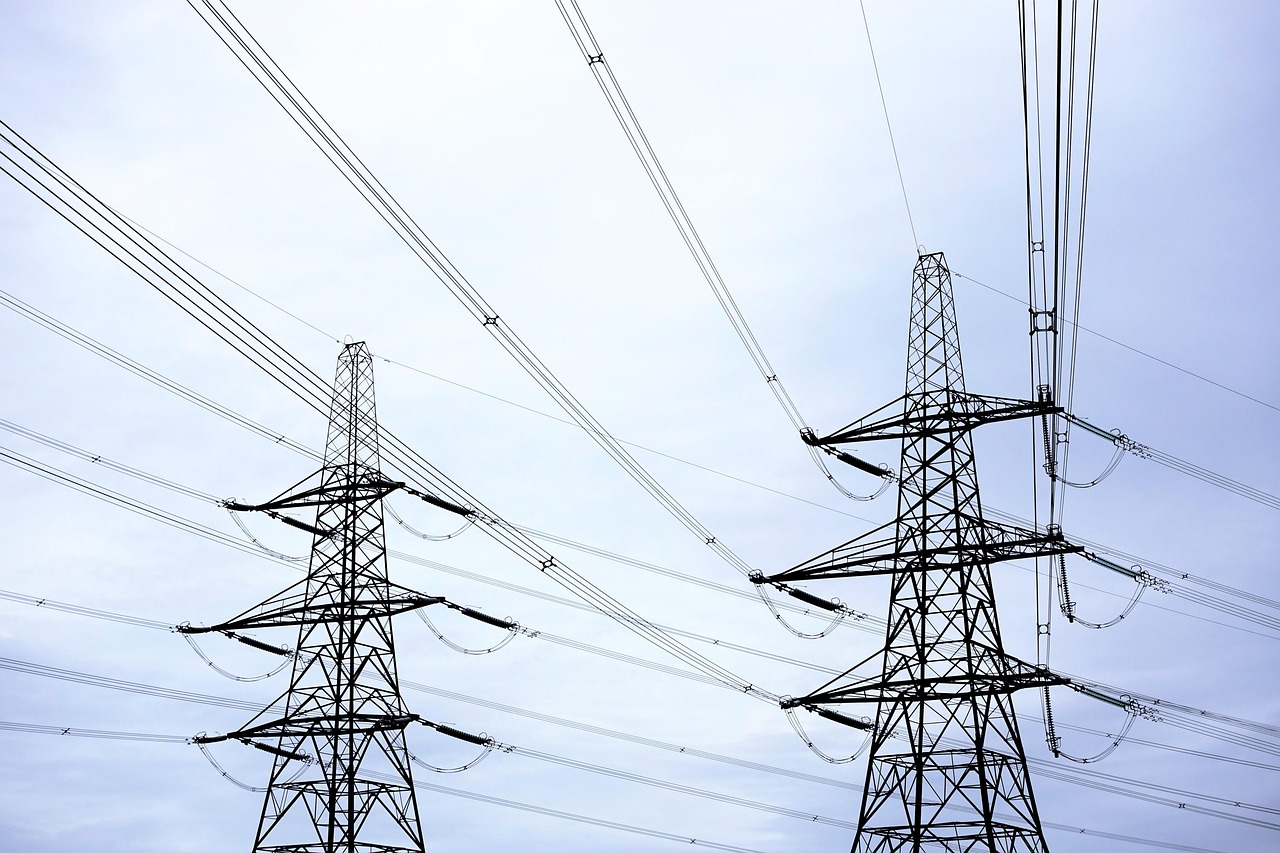
Most people only think about the power grid when something goes wrong. A blackout during a heat wave, a winter storm that knocks out electricity, or a sudden outage that disrupts work and communication quickly brings attention to how dependent daily life is on reliable power. In recent years, many regions have started upgrading their power grids, but what does that actually mean for everyday resilience?
Understanding these upgrades matters because resilience is not just about avoiding outages. It is about how well communities and households can absorb disruptions, adapt, and recover without unnecessary stress.
Why Power Grid Upgrades Are Happening Now
Power grids in many areas were built decades ago, designed for different usage patterns and population sizes. Today, demand is higher, weather is more extreme, and systems are under greater strain. Aging infrastructure struggles to keep up with modern needs.
Upgrades are often driven by a mix of factors, including increased energy demand, renewable energy integration, and the need to reduce large-scale outages. While these improvements are technical in nature, their impact reaches everyday life.
Stronger grids are not just about capacity. They are about reliability under pressure.
What “Grid Upgrades” Actually Include
Power grid upgrades can sound abstract, but they usually involve practical improvements. These can include modernized transmission lines, smarter monitoring systems, localized power generation, and better automation.
Smart grid technology allows utilities to detect issues faster and reroute power when problems occur. This reduces outage duration and limits how many people are affected. In some areas, grids are being redesigned to isolate failures rather than letting them cascade across regions.
A short visual explanation can help clarify how modern grid systems detect and respond to problems more efficiently.
How These Upgrades Affect Daily Life
For everyday resilience, grid upgrades change how disruptions feel. Shorter outages, more predictable service, and quicker restoration reduce stress. Households are less likely to face prolonged loss of power during storms or maintenance events.
Upgrades also support critical services such as hospitals, water systems, and communication networks. When these systems remain functional, communities recover faster and individuals face fewer secondary problems.
However, upgrades do not eliminate risk entirely. They reduce impact rather than guaranteeing uninterrupted service.
What Readers Gain From Understanding Grid Resilience
Knowing how grid upgrades affect resilience helps people form realistic expectations and make better personal decisions.
Key takeaways include:
-
Why outages may still happen even with upgrades
-
How faster detection reduces disruption length
-
The role of localized systems in resilience
-
Why individual preparedness still matters
-
How infrastructure improvements support community stability
This understanding encourages balanced preparedness rather than false security.
Why Household Resilience Still Matters
Even the most modern grid cannot prevent all disruptions. Severe weather, accidents, and unexpected failures can still interrupt service. This is why everyday resilience includes both infrastructure and personal readiness.
Understanding grid improvements helps people plan appropriately. Short outages may require minimal preparation, while longer disruptions still call for basic readiness such as backup lighting, charged devices, and clear communication plans.
A short educational video can help demonstrate how household preparedness complements infrastructure resilience.
Resilience Is a Shared Effort
Power grid upgrades highlight an important principle. Resilience is not built in one place. It emerges from coordination between systems, communities, and individuals. Strong infrastructure reduces risk, but informed households reduce impact.
When people understand how systems work, they are less likely to panic during disruptions. They can respond calmly and adapt as needed.
Building Confidence Through Understanding
Power grid upgrades are an investment in stability, not perfection. They make everyday life more resilient by limiting disruption and speeding recovery. When people understand what these upgrades do and what they cannot do, resilience becomes a shared responsibility rather than a vague promise.
Informed awareness creates confidence. By knowing how infrastructure supports daily life, individuals can prepare wisely, respond calmly, and trust that resilience is being built layer by layer.
Sources
-
U.S. Department of Energy
-
National Renewable Energy Laboratory (NREL)
-
Federal Energy Regulatory Commission (FERC)
-
Brookings Institution