
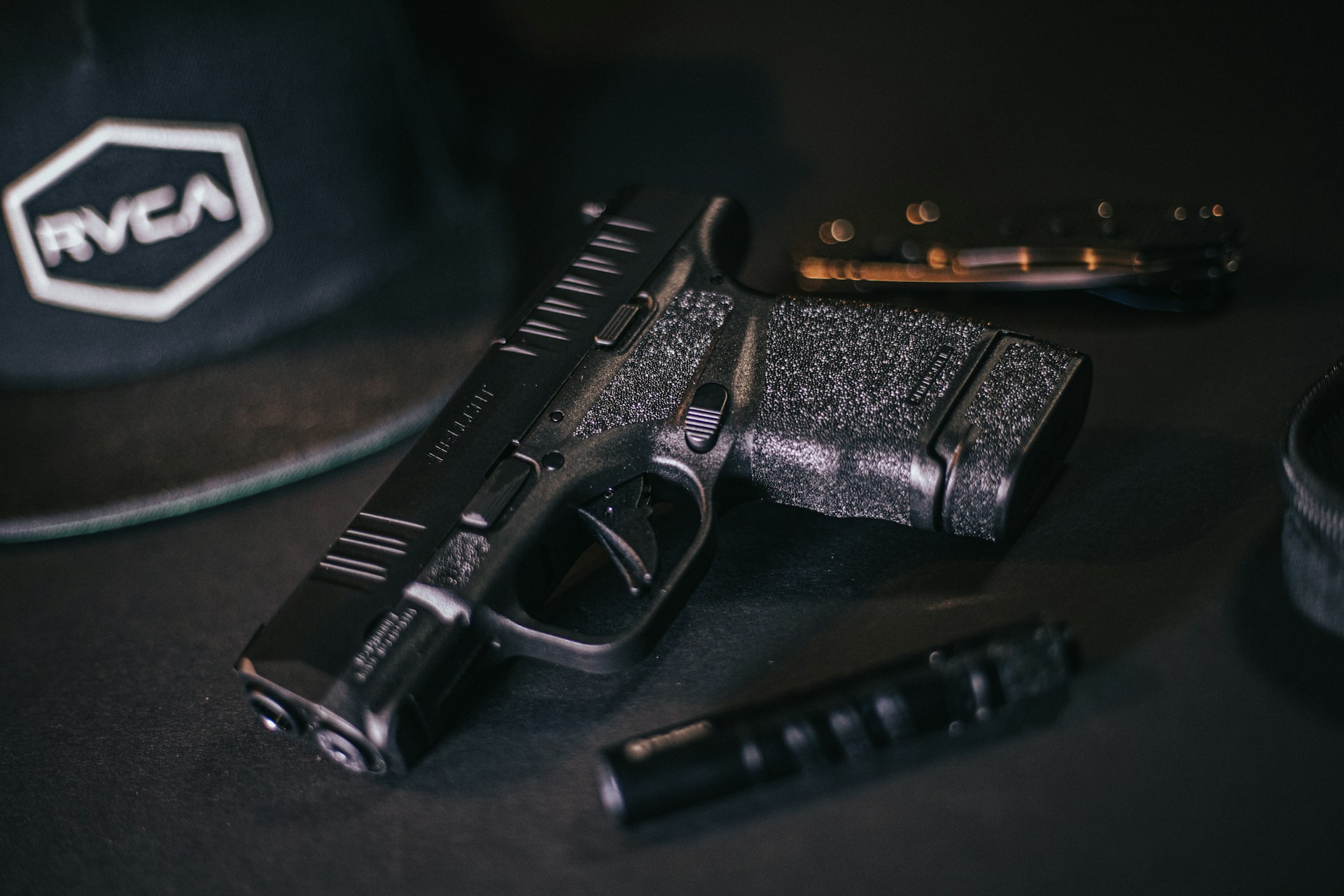
The evolution of ergonomic handgun grips reveals a fascinating tale of design innovation aimed at achieving the perfect balance between control, comfort, and recoil management.
Story Snapshot
- Handgun grips have evolved from rudimentary flintlock handles to modern, ergonomic designs.
- Key innovations include natural hand alignment and modular designs for customization.
- Influential figures like John Browning and Georg Luger set foundational standards.
- Current trends focus on polymer grips and modular systems to accommodate diverse users.
The Evolution of Handgun Grips
Handgun grips have undergone significant transformation from the basic flintlock handles of the 17th century to today’s advanced ergonomic designs. Early firearms lacked ergonomic consideration, often resulting in discomfort and risk of injury. By the 17th century, flintlocks introduced contoured grips, prioritizing aesthetics over function. The evolution took a transformative turn in the 19th century with the introduction of percussion caps and metallic cartridges, allowing for more flexibility in grip design.
The 20th century marked a pivotal shift in handgun grip design. John Browning’s 1911 pistol set a new standard with its natural alignment and grip angle, which enhanced shooting accuracy. The World Wars further standardized grips to ensure training efficiency among soldiers. The post-war era saw the rise of polymers and modular designs, with manufacturers like Glock revolutionizing the market by prioritizing user comfort and customization.
Innovations in Ergonomic Design
Modern ergonomic handgun design focuses on achieving a perfect fit for diverse users. The introduction of polymer grips allowed manufacturers to create lighter, more customizable options. Glock’s Generations 3 to 5, for instance, introduced finger grooves, modular backstrap systems, and eventually the removal of grooves to cater to a broader range of hand sizes. FN America also contributed with its FN 509, which features textured grips and adjustable beavertails for improved control and comfort.
Customization has become a key feature in ergonomic design, with modular systems allowing users to tailor grips to their specific needs. This shift not only enhances user comfort but also reduces fatigue and improves shooting accuracy, making ergonomic design a critical factor in firearm effectiveness.
The Impact of Ergonomic Design
The impact of ergonomic design in handguns is profound, affecting both the short-term and long-term aspects of firearm use. In the short term, improved ergonomics have reduced training time and accidents, as shooters can achieve better control and accuracy. In the long term, the standardization of ergonomic features, like the 1911 grip angle, has influenced industry norms and expectations.
Ergonomic designs have also had significant economic, social, and political implications. The adoption of polymers has reduced manufacturing costs and weight, making firearms more accessible and comfortable for a wider audience. Socially, enhanced safety and comfort have made handguns more appealing for both defense and sporting purposes. Politically, the emphasis on user-friendly designs has influenced regulations on customizable firearms.
The Future of Handgun Ergonomics
The future of handgun ergonomics continues to evolve, with manufacturers focusing on user-centric designs driven by feedback. Striker-fired pistols with consistent ergonomic features dominate the market, emphasizing reliability and safety alongside grip design. The integration of Picatinny rails and safety indicators reflects the ongoing trend towards holistic ergonomic solutions that cater to diverse user needs.
The quest for the perfect fit in handgun design is far from over. As technology advances and user demands evolve, manufacturers will continue to innovate, striving to balance functionality, safety, and user anatomy. This ongoing saga of ergonomic innovation ensures that the pursuit of the perfect handgun grip remains an ever-relevant and captivating topic in the world of firearms.