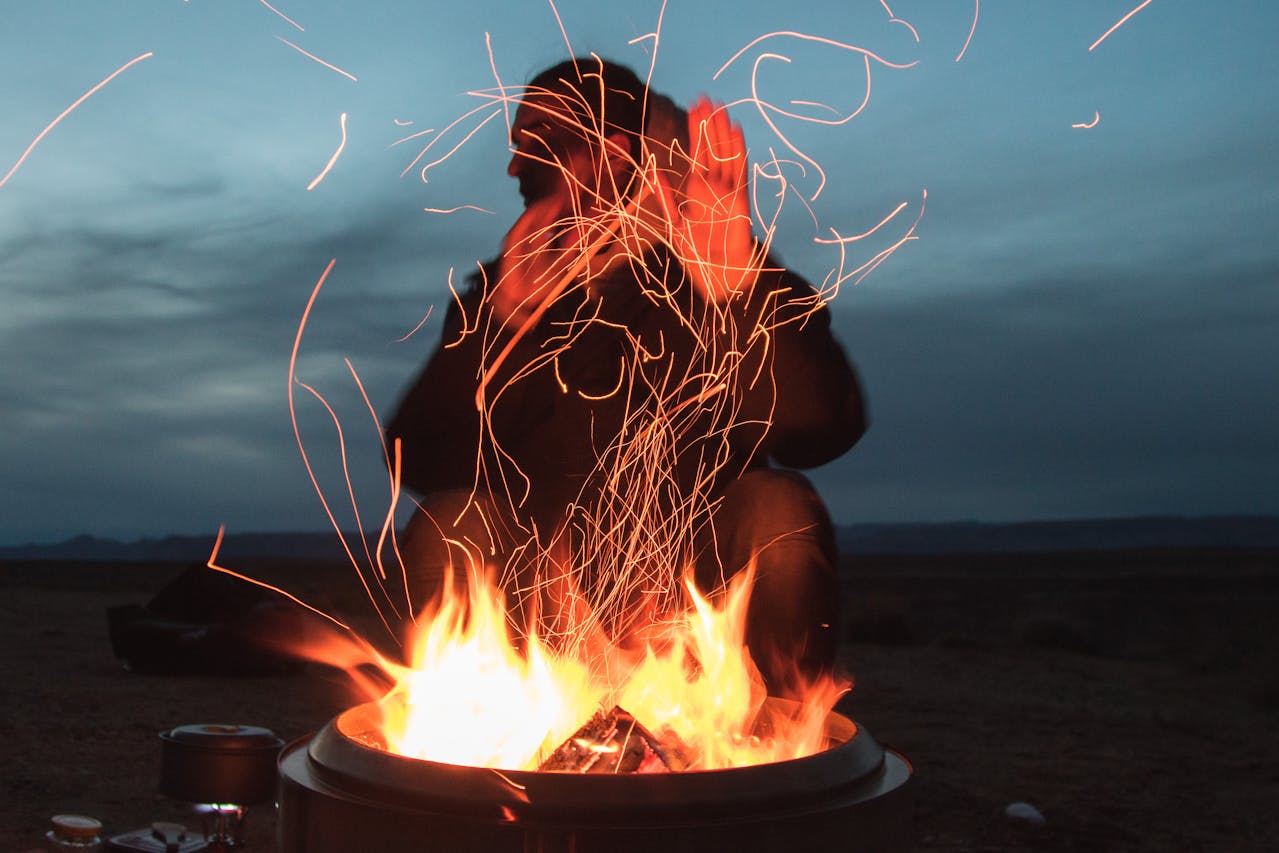
There is something comforting about a warm fire. It brings light, heat, security and a sense of control that can calm you even on a stressful day. But imagine being out in the world, whether camping, hiking or dealing with a sudden emergency, and realizing your lighter is empty or your matches are soaked. Moments like that can feel overwhelming, especially if life already has you stretched thin. The good news is that you are far more capable than you think. Even without gear, you can still start a fire using simple techniques and natural materials around you.
This guide is here to help you stay prepared and confident, no matter what your situation looks like. You do not need to be a survival expert. You just need a little knowledge and a belief in yourself.
Begin with the right mindset
Before anything else, take a breath. Starting a fire without gear takes patience, not strength. When things go wrong, panic makes everything harder. But staying calm, focused and steady gives you the best chance of success.
Tell yourself that people have been starting fires with their bare hands and natural tools long before lighters and matches ever existed. If they could do it, you can too. Your mindset will be your biggest tool.
Look for materials that catch easily
Fire needs three things: fuel, heat and air. Without gear, the most important part is finding materials that can ignite easily. This is your tinder. Look for dry, fibrous materials like dried grass, thin bark, cattail fluff, shredded leaves or even the dry inner wood found under fallen logs. The drier the material, the faster it will catch.
Next, gather small twigs or pencil-sized sticks for your kindling. These will feed your flame once the tinder catches. Then collect larger sticks and pieces of wood for later. Think of your fire like a growing child. You start small and gentle, then build up slowly.
Use friction to create heat
If your gear fails, friction fire is your backup. The bow drill method is one of the most reliable techniques and can be done with natural materials. You will need a sturdy stick, a flat piece of wood, a curved branch for your bow and a shoelace or cord. Even if you have none of those, you can improvise with vine, bark strips and found wood.
The idea is simple. You spin the stick quickly against the flat board to create enough heat to produce a small ember. Place the ember onto your tinder bundle and gently blow until it glows brighter. Then watch as it turns into flame.
It takes practice, but the feeling of success is powerful. It reminds you that even when everything else goes wrong, you have what it takes to create your own warmth and safety.
Use sparks when friction is too difficult
If friction is not working, look for rocks that can create sparks. Quartz often works well. Strike it against steel if you have a pocketknife or multitool. Even if you are not carrying gear, many people have at least one metal item on them. Sparks are small but strong. Direct them into your tinder bundle and blow softly until it lights.
If you find any reflective surfaces like a piece of glass or metal, sunlight can help you start a fire as well. Aim the light onto your tinder until it begins to smoke. It is slow but satisfying.
Protect your fire from wind and moisture
Once you get a small flame going, shield it with your hands or body. Wind can blow it out before it has time to grow, and moisture can weaken the spark. Build a simple structure around your flame using sticks like a small tent. This protects your fire while giving it room to breathe.
Be patient during this stage. The moment when a small ember becomes a real flame can feel like magic. It is a reminder that you are stronger, more creative and more resilient than you know.
A final word to keep you encouraged
Starting a fire without gear may seem intimidating, but it is a skill built on patience, practice and belief in yourself. The same is true for life. Sometimes the tools you rely on fail, leaving you feeling unprepared and alone. But even then, you can adapt. You can find strength in what you already have and create something new from scratch.
Every small flame you build, both in the world and within yourself, is proof that you can handle whatever comes next. Trust your instincts, take things step by step and never underestimate your ability to create warmth and light when you need it most.