In the vast expanse of emergency survival techniques, the humble signal mirror holds an unexpected power that could mean the difference between life and death.
Story Snapshot
- In 1991, a signal mirror improvisation saved lives in a plane crash at sea.
- Signal mirrors have historical roots in naval and military communication.
- They remain a crucial, low-tech tool for outdoor survival.
- Mastering this tool can significantly enhance one’s chances of rescue.
The Power of Reflection in Survival
Survival in emergency situations often hinges on visibility. The 1991 Bahamas plane ditching vividly illustrates this. Four survivors, unseen by passing boats and aircraft for two days, ingeniously used credit cards to reflect sunlight, catching the attention of a plane and securing their rescue. This incident underscores the potent reliability of signal mirrors and similar reflective surfaces, especially in vast, featureless environments like the sea where small targets are easily overlooked.
Signal mirrors, historically used for heliograph signaling by reflecting sunlight, have evolved into compact, essential survival tools. These mirrors, made from materials like glass, acrylic, or stainless steel, can send distress signals over miles. Their effectiveness, however, requires clear weather and practice in aiming the reflection precisely towards potential rescuers.
From Ancient Techniques to Modern Necessity
Originally a military communication tool, signal mirrors have become a staple in modern survival kits, thanks to post-World War II training programs. The technique has been validated by numerous rescues, like the Bahamas incident. They are most effective during daylight emergencies in areas where victims are hard to spot, such as wilderness, open water, or deserts. While signal mirrors are not evolving in technology, their usage continues to be refined through ongoing tutorials and training, emphasizing their role in life-saving scenarios.
For outdoor enthusiasts and survivalists, mastering the signal mirror technique is crucial. Douglas S. Ritter, a survival expert, champions it as the most basic and reliable signaling device available, with no dependency on batteries or fuel. Survival instructors and organizations like the Boy Scouts of America promote training in these techniques, ensuring that more people are prepared to use them effectively in emergencies.
Technique and Practice: Keys to Effective Signaling
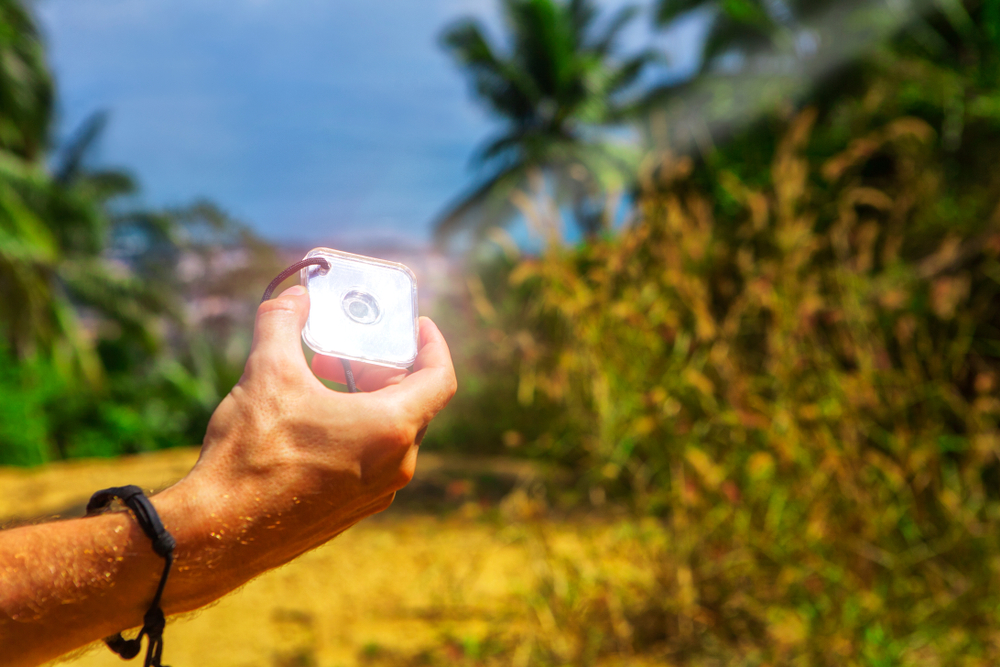
Using a signal mirror requires specific techniques. The user must face the sun, holding the mirror to their eye, and use a sighting hole if available. The reflection is initially aimed at the hand or fingers and then walked towards the target, flashing three times to signal distress. This method, while simple, requires practice to perfect. Improvisation is also possible with any reflective surface, such as a smartphone screen, though the practice remains crucial for effectiveness.
Despite its simplicity, the signal mirror’s effectiveness is limited by poor weather conditions and the physical strength required to aim it accurately. However, its low cost and portability make it an invaluable addition to any survival kit, offering a reliable means of signaling for help without reliance on more complex technology.