
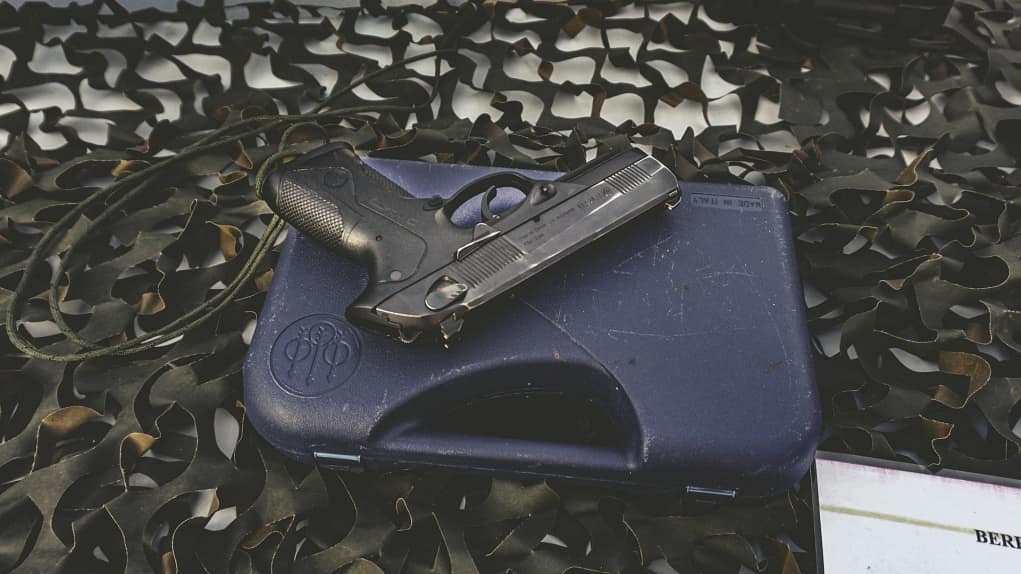
Many firearm owners focus heavily on selecting the right firearm, ammunition, or accessories, but long-term reliability often depends on something less exciting: proper storage.
Firearms are mechanical tools made from metal, springs, finishes, and precision-fitted components. Without proper care, exposure to moisture, humidity, dirt, or improper handling can gradually lead to corrosion, finish wear, and mechanical issues over time.
At the same time, responsible firearm ownership also requires safe storage practices that help prevent unauthorized access, accidental handling, or theft.
Understanding how to store firearms correctly is about preserving both safety and reliability. Proper storage habits help protect the condition of the firearm while also supporting responsible ownership within the home.
Moisture Is One of the Biggest Threats
Corrosion develops when metal is exposed to moisture and oxygen over time. Even in homes that appear dry, humidity can slowly create rust inside barrels, around screws, on slide rails, or beneath grips and stocks.
Environmental conditions such as coastal climates, basements, garages, and seasonal humidity changes can accelerate this process significantly.
Common contributors to firearm corrosion include:
- High humidity
- Sweat and skin oils
- Long-term storage in soft cases
- Temperature fluctuations
- Poor ventilation
- Infrequent cleaning
Many firearm owners are surprised to learn that corrosion can begin even on firearms that are rarely used if storage conditions are not controlled properly.
Safe Storage and Corrosion Prevention Work Together
The best firearm storage systems balance security with environmental protection.
Gun safes, lockboxes, and secured cabinets help restrict unauthorized access while also creating controlled storage environments when managed correctly.
However, a safe alone does not automatically prevent rust. In fact, enclosed spaces can sometimes trap humidity if moisture control is ignored.
Many experienced firearm owners use additional tools such as:
- Desiccant packs
- Dehumidifier rods
- Humidity monitors
- Silicone-treated gun socks
- Protective oil coatings
These systems help reduce moisture buildup and create more stable long-term storage conditions.
Regular Cleaning Plays a Major Role
Even firearms stored safely should still be inspected and maintained periodically.
Fingerprints alone can leave behind salts and oils that contribute to corrosion, especially on blued steel finishes. Dust, carbon residue, and environmental debris may also accumulate gradually over time.
Routine maintenance often includes:
- Wiping external metal surfaces
- Applying light protective lubrication
- Inspecting barrels and chambers
- Checking optics and mounting hardware
- Verifying safe function and cleanliness
The goal is not excessive lubrication or over-cleaning. Instead, it is maintaining consistent protective care while monitoring for early signs of wear or rust.
Soft Cases Are Not Ideal for Long-Term Storage
One common mistake involves storing firearms long-term inside soft padded cases or foam-lined containers.
While these cases are useful for transportation, many materials used in soft cases can trap moisture against metal surfaces over time. Foam inserts may also absorb humidity from the environment.
For long-term storage, it is generally better to use:
- Dry safes or cabinets
- Climate-controlled rooms
- Ventilated storage systems
- Protective sleeves designed for long-term firearm storage
This becomes especially important in humid climates where trapped moisture can accelerate rust formation surprisingly quickly.
Ammunition Storage Matters Too
Safe firearm storage also includes proper ammunition management.
Ammunition should generally be stored:
- In cool, dry environments
- Away from direct sunlight
- In stable temperatures
- In sealed containers when appropriate
- Separate from unauthorized access
Excessive heat and moisture can gradually degrade ammunition performance over long periods.
Organization also improves safety by making it easier to rotate older ammunition and monitor inventory responsibly.
What Readers Should Understand About Firearm Storage
Proper storage protects both safety and equipment longevity.
Important points include:
- Moisture control is critical for preventing corrosion
- Secure storage helps prevent unauthorized access
- Safes benefit from added humidity management systems
- Firearms should be inspected and maintained regularly
- Soft cases are not ideal for long-term storage
- Consistent care improves long-term reliability
Responsible storage is less about collecting equipment and more about building dependable habits that protect both people and property.
Long-Term Reliability Starts With Consistent Care
Firearms are designed to withstand demanding use, but long-term reliability depends heavily on how they are stored and maintained between uses.
Safe storage practices reduce risks inside the home while preserving the mechanical condition of the firearm itself. Over time, small habits such as humidity control, routine inspections, and proper cleaning can make a significant difference in preventing corrosion and maintaining dependable performance.
Ultimately, responsible firearm ownership extends beyond purchasing a firearm. It includes understanding how to care for it properly, store it securely, and maintain it thoughtfully for years to come.
Sources
- National Shooting Sports Foundation (NSSF) Firearm Storage Resources
- Project ChildSafe Safe Storage Information
- Sporting Arms and Ammunition Manufacturers’ Institute (SAAMI)
- Federal Bureau of Investigation (FBI) Firearm Safety Guidance
- Occupational Safety and Health Administration (OSHA) Environmental Storage Guidance