In an age dominated by GPS devices, smartphones, and satellite communication, it is easy to overlook the value of simple survival tools. Yet in real-world emergencies, some of the most effective lifesaving equipment remains surprisingly basic. One of the clearest examples is the signal mirror.
Small enough to fit in a pocket and lightweight enough to disappear into a backpack, a signal mirror has been used for decades by pilots, hikers, boaters, military personnel, and outdoor survival experts. Despite its simplicity, it can project a visible flash for miles under the right conditions and help rescuers locate someone who may otherwise go unseen.
Understanding how and why signal mirrors work gives people a better appreciation for practical preparedness. More importantly, it highlights an important lesson in survival: reliability often matters more than complexity.
What a Signal Mirror Actually Does
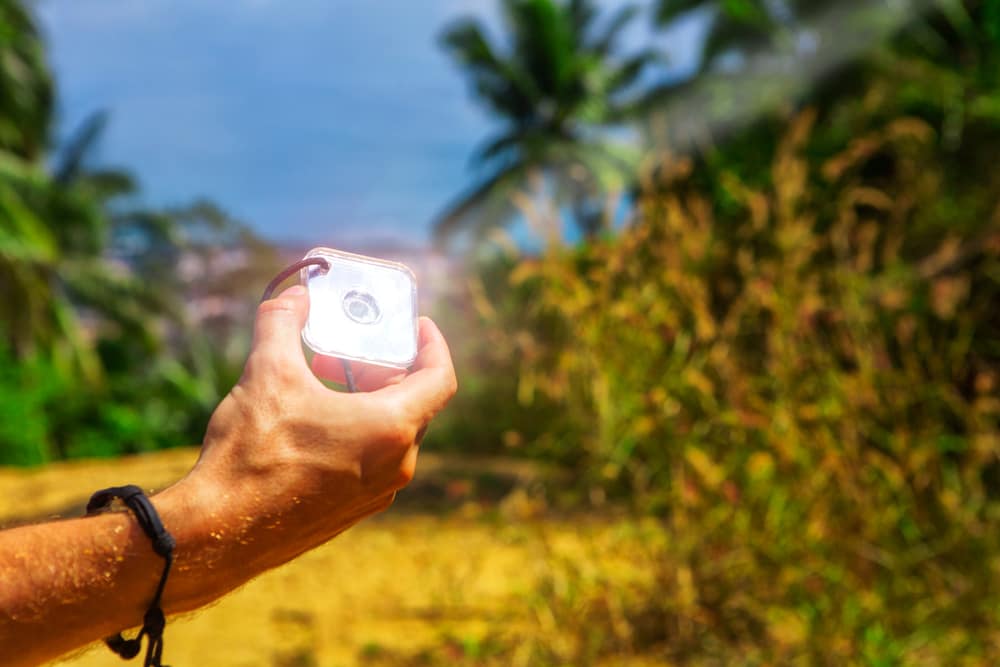
A signal mirror is designed to reflect sunlight toward a distant target. The reflected flash can become highly visible to aircraft, boats, vehicles, or search teams even across large distances.
Unlike electronic communication devices, signal mirrors require:
- No batteries
- No cell service
- No charging
- No moving parts
- Very little maintenance
Most quality signal mirrors include a small aiming hole or retroreflective sighting system that helps direct the reflected beam accurately. This dramatically improves effectiveness compared to simply shining a random reflection in the general direction of rescuers.
Under clear conditions, a properly aimed signal mirror can sometimes be seen from several miles away, particularly by aircraft.
Why Signal Mirrors Remain Relevant Today
Modern technology has improved emergency communication, but technology can still fail. Phones lose signal. Batteries die. Devices break after water exposure or impact.
Signal mirrors remain valuable because they operate independently of infrastructure.
That reliability is one reason many survival kits still include them alongside more advanced equipment. Outdoor instructors often teach that low-tech backups are important because emergencies rarely happen under ideal conditions.
A signal mirror also weighs almost nothing, making it one of the easiest preparedness items to carry consistently.
Visibility Can Matter More Than Movement
One of the biggest challenges during wilderness emergencies is simply being seen. Search teams may pass relatively close to a missing person without noticing them, especially in dense terrain or remote environments.
A bright reflected flash stands out against natural surroundings in a way that movement or shouting often cannot.
This becomes especially important in environments such as:
- Open water
- Mountain terrain
- Desert regions
- Forest clearings
- Snow-covered areas
- Large rural spaces
Even if rescuers cannot immediately identify the exact source of the flash, repeated signaling can help narrow search areas significantly.
Learning Proper Technique Makes a Difference
Owning a signal mirror is one thing. Knowing how to use it effectively is another.
Many people incorrectly assume they can simply point the mirror toward the sun and create a useful signal. In reality, accurate aiming is important.
Most survival instructors recommend practicing:
- Holding the mirror steady
- Locating the target visually
- Using the sighting hole correctly
- Sweeping the reflected flash slowly across the target area
- Repeating short, controlled flashes
Even basic practice can dramatically improve effectiveness during a real emergency.
Fortunately, learning the fundamentals is usually simple and does not require expensive training or equipment.
The Practical Value of Carrying One
Signal mirrors are often considered one of the highest value-to-weight items in preparedness kits because they serve multiple roles at once.
Beyond emergency signaling, they can also assist with:
- Personal grooming or first aid
- Checking for injuries in hard-to-see areas
- Fire-starting assistance under certain conditions
- Reflective visibility for improvised signaling
Most importantly, they encourage a mindset focused on practical preparedness rather than dependence on a single system.
What Readers Should Understand About Signal Mirrors
Signal mirrors are simple, but their usefulness comes from reliability and visibility.
Important takeaways include:
- They work without batteries or electronic systems
- Proper aiming technique greatly improves effectiveness
- Reflected light can travel extremely long distances
- They are lightweight and easy to carry daily
- They function well as backup emergency signaling tools
- Simplicity often increases reliability during emergencies
Preparedness does not always require expensive equipment. Sometimes the smallest tools provide the greatest margin of safety.
A Reminder That Simple Tools Still Matter
The signal mirror is a strong example of why basic survival principles continue to matter even in a technology-driven world. While advanced communication tools certainly have their place, dependable low-tech equipment still fills critical gaps when conditions become unpredictable.
For hikers, campers, travelers, boaters, or anyone building a practical emergency kit, a signal mirror offers a lightweight and inexpensive layer of preparedness that has proven useful for generations.
In many cases, effective preparedness is less about carrying the most advanced gear and more about understanding which tools continue working when everything else becomes uncertain.
Sources
- U.S. Coast Guard Survival Equipment Information
- Federal Aviation Administration (FAA) Survival Guidance
- National Park Service Wilderness Safety Resources
- REI Expert Advice on Survival Signaling
- American Red Cross Emergency Preparedness Resources