For many households, food security is often viewed through the lens of grocery shopping alone. If the refrigerator is full and the pantry has a few extra items, things feel stable. But disruptions such as storms, job loss, supply chain delays, inflation, or temporary emergencies can quickly reveal how unprepared many households actually are when food systems become less predictable.
Long-term food security is not simply about stockpiling large amounts of food. In many cases, organization matters just as much as quantity. An organized pantry system helps households track supplies, reduce waste, rotate inventory properly, and maintain greater stability during uncertain periods.
Preparedness does not require fear or extreme measures. Often, it begins with practical systems that make everyday life more efficient while quietly improving resilience over time.
Food Security Is About Consistency, Not Panic Buying
One of the biggest misconceptions about preparedness is that it requires dramatic stockpiling. In reality, organized pantry systems work best when they support normal daily routines.
A well-managed pantry allows households to gradually build a reliable food reserve using items they already eat regularly. This creates a more sustainable system than purchasing unfamiliar foods that may never actually get used.
Consistent pantry organization helps families:
- Track what they already have
- Avoid unnecessary duplicate purchases
- Rotate older products before expiration
- Plan meals more efficiently
- Reduce last-minute grocery stress
Over time, these habits can improve both financial efficiency and emergency readiness simultaneously.
Inventory Awareness Reduces Waste
Many households lose food simply because items become forgotten in the back of cabinets or expire unnoticed.
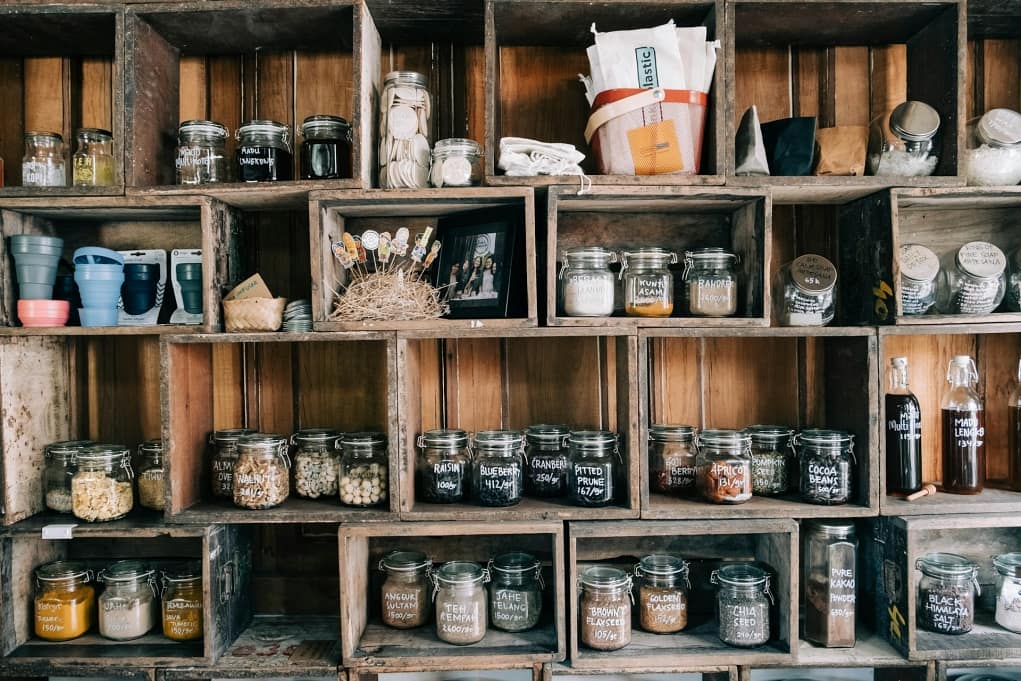
An organized pantry system improves visibility. Clear labeling, categorized shelving, and rotation methods make it easier to use food before quality declines.
Some common pantry organization methods include:
- First-in, first-out rotation systems
- Categorizing foods by type
- Labeling expiration dates clearly
- Keeping staple ingredients together
- Using transparent storage containers
These systems are not complicated, but they create structure that improves long-term consistency.
Organized Storage Improves Emergency Readiness
Emergencies often create uncertainty around food access. Severe weather, power outages, transportation disruptions, or temporary shortages can make grocery trips difficult for days or even weeks.
Households with organized pantry systems are usually better positioned to adapt calmly because they already understand:
- What food is available
- How long supplies may last
- Which meals can be prepared easily
- What items need replacement
This awareness reduces panic and allows for more thoughtful decision-making during stressful situations.
Preparedness experts often emphasize that calm organization is far more effective than reactive buying during emergencies.
Staple Foods Create Long-Term Stability
Many organized pantry systems focus heavily on versatile staple foods with longer shelf lives.
Examples often include:
- Rice
- Pasta
- Beans
- Oats
- Canned vegetables
- Canned proteins
- Flour
- Shelf-stable milk
- Nut butters
- Cooking oils
The goal is not to build an extreme reserve. Instead, it is to create layers of reliable food options that can support normal household needs during temporary disruptions.
Organization Also Supports Financial Efficiency
An organized pantry does more than improve preparedness. It can also reduce unnecessary spending.
Without organization, households may:
- Repurchase items they already own
- Waste expired products
- Make more emergency grocery trips
- Rely heavily on takeout or convenience foods
Structured pantry systems encourage intentional shopping habits and more efficient meal planning.
In periods of rising food costs, these small efficiencies can become increasingly valuable over time.
What Readers Should Understand About Pantry Organization
Long-term food security is often built through steady habits rather than dramatic action.
Important takeaways include:
- Organized pantries reduce food waste
- Inventory tracking improves purchasing decisions
- Rotation systems help maintain freshness
- Staple foods create flexible meal options
- Preparedness works best when integrated into daily life
- Calm organization supports both financial and emergency stability
Food security becomes far more manageable when households understand what they have and how to use it effectively.
Stability Often Begins With Simple Systems
Preparedness is rarely about perfection. Most resilient systems are built gradually through consistent, practical habits that improve everyday life while also increasing readiness for unexpected situations.
An organized pantry is one of the clearest examples of this principle. It supports routine meal planning during normal times while quietly providing additional security during disruptions. Rather than relying on panic buying or last-minute decisions, organized households are often able to respond more calmly because they already have structure in place.
In many ways, long-term food security is less about accumulating massive quantities of supplies and more about creating dependable systems that remain manageable, sustainable, and useful over time.
Sources
- United States Department of Agriculture (USDA) Food Storage Guidance
- Federal Emergency Management Agency (FEMA) Emergency Supply Recommendations
- Centers for Disease Control and Prevention (CDC) Food Safety During Emergencies
- Academy of Nutrition and Dietetics Food Storage Resources
- American Red Cross Emergency Preparedness Information