
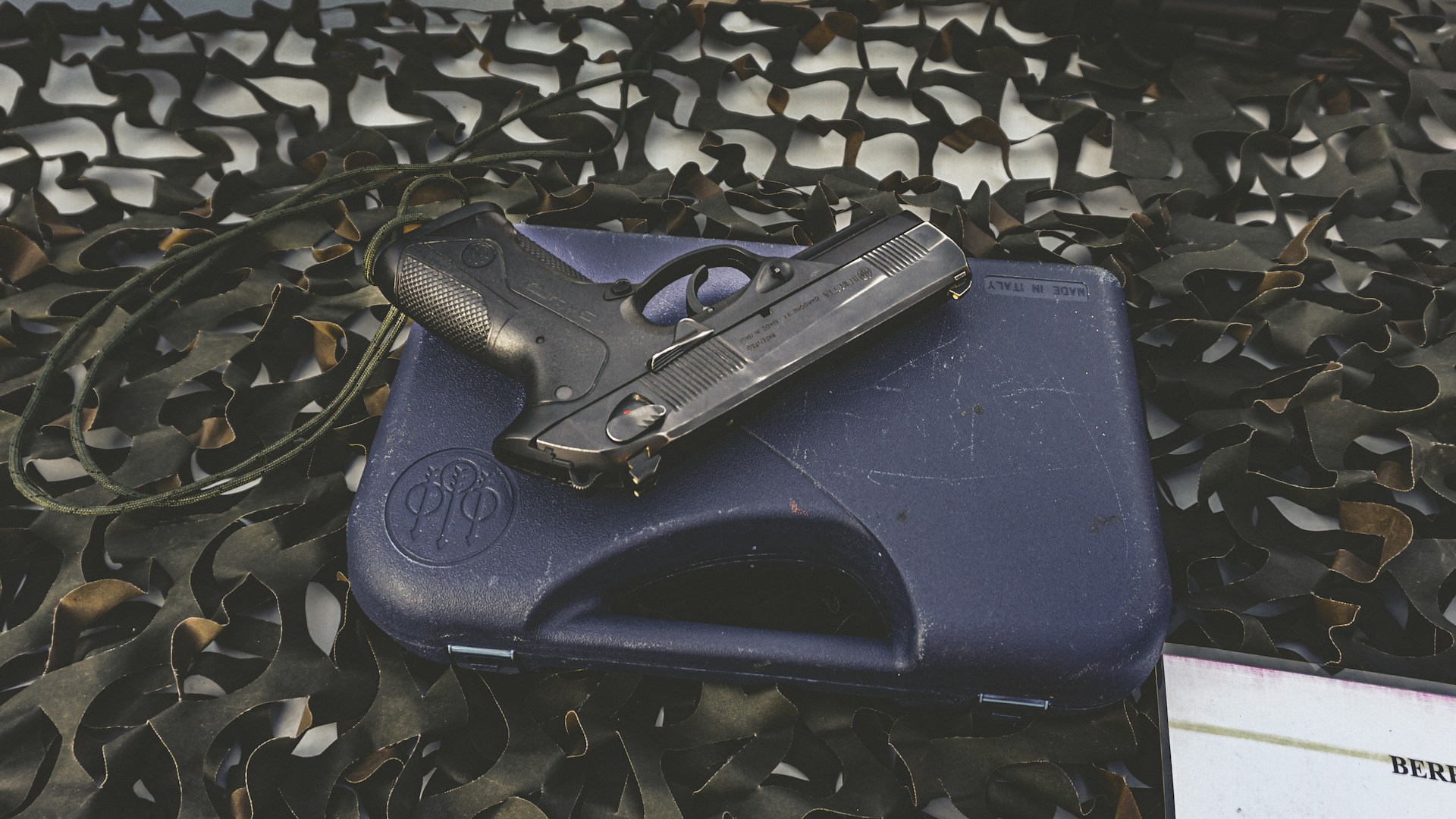
Firearm storage, a mundane task to some, holds the key to preserving your gun’s life and performance.
Story Snapshot
- Proper storage prevents corrosion and residue buildup.
- Key practices include using dehumidifiers and protective oils.
- Storage solutions evolve from military and hunting needs.
- Forum discussions refine practical storage methods.
The Importance of Proper Gun Storage
Firearm owners understand that cleaning a gun is only half the battle; proper storage is crucial to maintaining cleanliness and functionality. Inadequate storage can lead to corrosion and residue buildup, compromising the firearm’s performance and safety. Methods like gun safes with dehumidifiers, protective oils, and vacuum sealing are essential to prevent these issues. This ongoing educational focus within the firearms community not only emphasizes safety but also extends the lifespan of the weapon.
Historical practices have evolved from military and hunting needs, addressing the challenges posed by moisture and environmental exposure. The 20th century saw the codification of these practices, with safety training programs emphasizing the importance of post-cleaning storage. The development of bore cleaners and preservatives, such as Hoppe’s No. 9, marked a significant advancement in gun maintenance, ensuring firearms remained reliable and free from corrosion.
Key Stakeholders and Their Roles
Firearm manufacturers, safety organizations, and gun owners play pivotal roles in the evolution of storage solutions. Manufacturers provide cleaning kits and safes, promoting safe storage to extend product life. Safety organizations shape laws and offer training to prevent accidents. Gun owners, often through forums, share practical tips and influence best practices. These stakeholders collectively drive innovation and adherence to safety protocols, ensuring firearms remain clean and functional over time.
Retailers also contribute by selling cleaning tools and advising customers on safe storage methods. They act as market drivers, amplifying manufacturer recommendations and fostering customer loyalty through education. This collaborative ecosystem underlines the importance of knowledge sharing and community engagement in refining storage practices.
Current Practices and Innovations
Recent developments emphasize established storage methods, such as using desiccants and dehumidified safes. Forum discussions highlight a consensus on the effectiveness of cleaned and oiled guns stored in moisture-free environments. Vacuum-sealing with desiccants emerges as a popular choice for long-term storage, although its long-term efficacy remains largely anecdotal. These practices ensure firearms remain rust-free and operational, even in humid climates.
Experts recommend wiping gun surfaces post-lubrication and using wax cloths for added protection. The focus on preventive maintenance reflects the community’s commitment to responsible gun ownership and safety. By prioritizing cleanliness and environmental control, gun owners can safeguard their firearms against deterioration and maintain their value over time.
Impact and Implications
Proper storage has significant short-term and long-term implications for firearm owners. In the short term, it prevents immediate corrosion and residue buildup, ensuring reliable function and safety. This reduces repair costs and minimizes the risk of accidents. In the long term, proper storage extends the firearm’s lifespan, supports resale value, and reinforces responsible ownership amid ongoing debates about storage laws.
The economic impact of these practices is minimal, with low-cost solutions like desiccants and oils providing significant benefits. Socially, they promote family safety through locked, child-inaccessible storage options. The firearms industry benefits from reduced liability, while forums democratize knowledge and empower owners to share user-tested tips. Overall, these practices underscore the importance of maintaining cleanliness and functionality through effective storage solutions.