
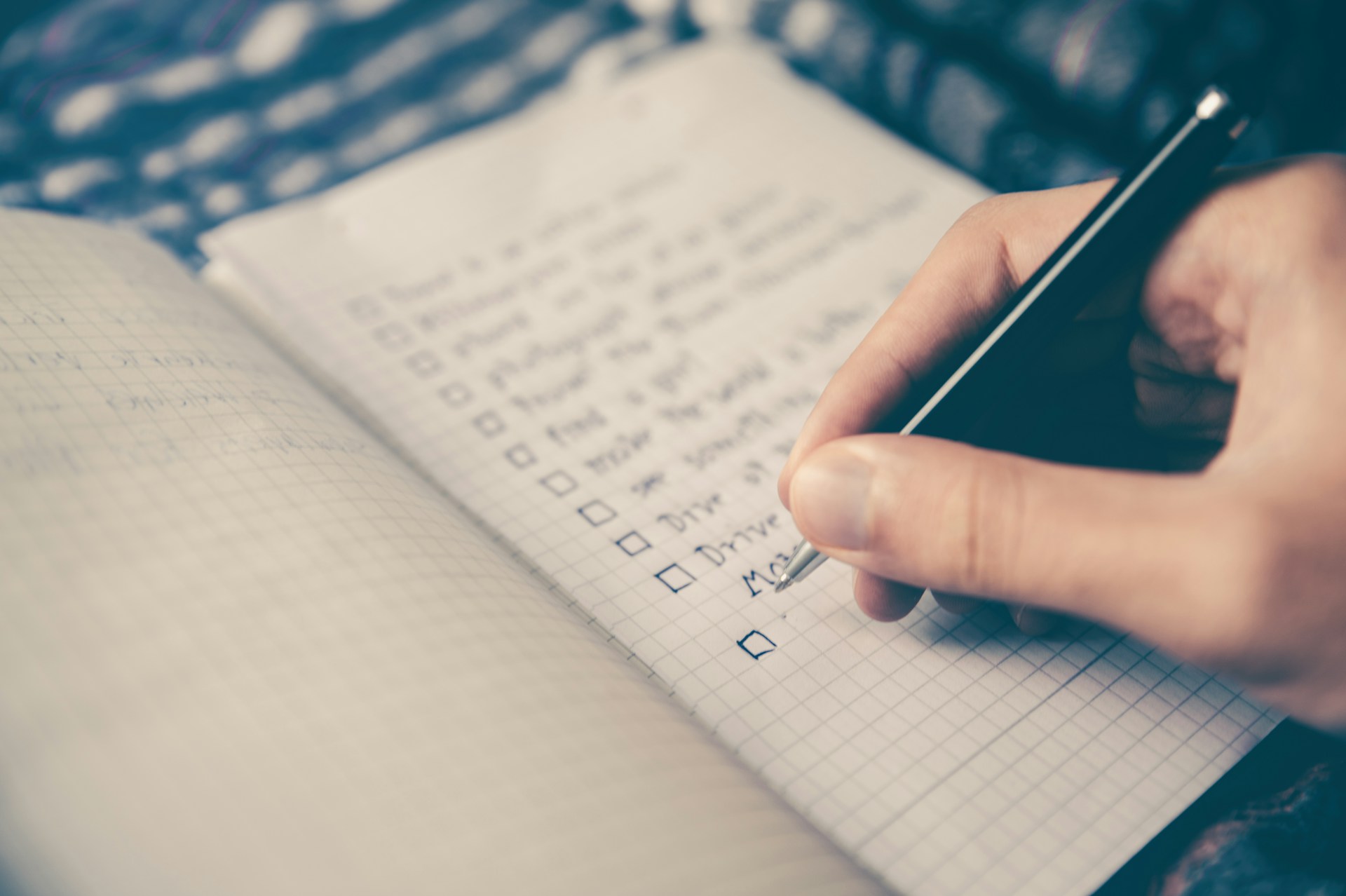
Preparedness often gets tangled up with fear. Images of worst-case scenarios, endless checklists, and constant vigilance can make the idea feel heavy or even overwhelming. But preparedness does not have to be driven by anxiety. In fact, the most effective preparedness is calm, practical, and quietly supportive of everyday life.
Understanding how to practice preparedness without fear matters because fear-based preparation is hard to maintain. Calm preparedness, on the other hand, builds confidence and reduces stress long before anything unexpected happens.
Why Fear Creeps Into Preparedness
Fear usually enters preparedness when the focus shifts from readiness to anticipation. Thinking too far ahead or imagining extreme outcomes can activate stress responses rather than support clear thinking. When preparation feels like guarding against disaster, it can quickly become exhausting.
Preparedness works best when it is grounded in reality. Most disruptions are short-term and manageable. Power outages, service interruptions, weather delays, and minor emergencies are far more common than catastrophic events. Preparing for these everyday disruptions keeps preparedness proportional and useful.
Reframing Preparedness as Stress Reduction
A helpful way to remove fear is to reframe preparedness as a stress-reduction tool. Preparedness reduces the number of decisions you have to make under pressure. It provides familiarity during uncertainty. This sense of readiness lowers anxiety even when nothing goes wrong.
Instead of asking “What if everything fails,” a calmer approach asks “What would help me feel steady if something unexpected happened.” This shift changes preparedness from defensive to supportive.
A short visual explanation can help illustrate how preparation reduces mental load rather than increasing worry.
Start With Simple, Everyday Scenarios
Fear often comes from complexity. Starting small keeps preparedness approachable. Focus on situations that already happen occasionally rather than hypothetical extremes.
Examples include brief power outages, temporary water issues, or needing to leave home unexpectedly for a short period. Preparing for these events builds confidence without triggering fear. As confidence grows, preparedness feels routine instead of reactive.
Small steps also reinforce the idea that preparedness fits into normal life rather than existing on the sidelines.
What Calm Preparedness Actually Provides
Practicing preparedness without fear delivers practical and emotional benefits that are easy to overlook.
Key benefits include:
-
Reduced anxiety during everyday disruptions
-
Faster, clearer decision-making under pressure
-
Greater confidence in handling uncertainty
-
Less dependence on constant news or alerts
-
A sense of control without constant vigilance
These benefits appear gradually and reinforce themselves over time.
Keep Preparedness Flexible and Human
Fear grows when preparedness becomes rigid. Strict rules and all-or-nothing thinking increase pressure. Calm preparedness allows for flexibility. Plans can adjust. Supplies can evolve. Nothing has to be perfect.
Preparedness should support your lifestyle, not compete with it. When it feels adaptable, it becomes easier to maintain and less emotionally charged.
A short educational video can help demonstrate how flexible preparedness practices stay calm and sustainable.
Limit Fear-Based Information Intake
Another important step is managing information sources. Constant exposure to alarming headlines can distort perception and amplify fear. Preparedness does not require constant monitoring of potential threats.
Choosing reliable, measured sources and checking them occasionally is enough. Calm preparedness is built on awareness, not obsession.
Preparedness as a Confidence Builder
When practiced gently, preparedness builds self-trust. Each small step reinforces the belief that you can handle disruption. Over time, this trust replaces fear with assurance.
Preparedness becomes less about events and more about capability. That shift is what removes fear from the equation.
When Readiness Feels Supportive
Preparedness practiced without fear feels steady, not urgent. It blends into daily life and quietly supports confidence. Instead of scanning for danger, you move forward knowing you are ready for common disruptions.
When readiness replaces worry, preparedness fulfills its real purpose. It reduces stress, builds calm confidence, and allows you to face uncertainty without fear guiding your choices.
Sources
-
Federal Emergency Management Agency (FEMA)
-
American Psychological Association (APA)
-
National Institute of Mental Health (NIMH)
-
Centers for Disease Control and Prevention (CDC)