
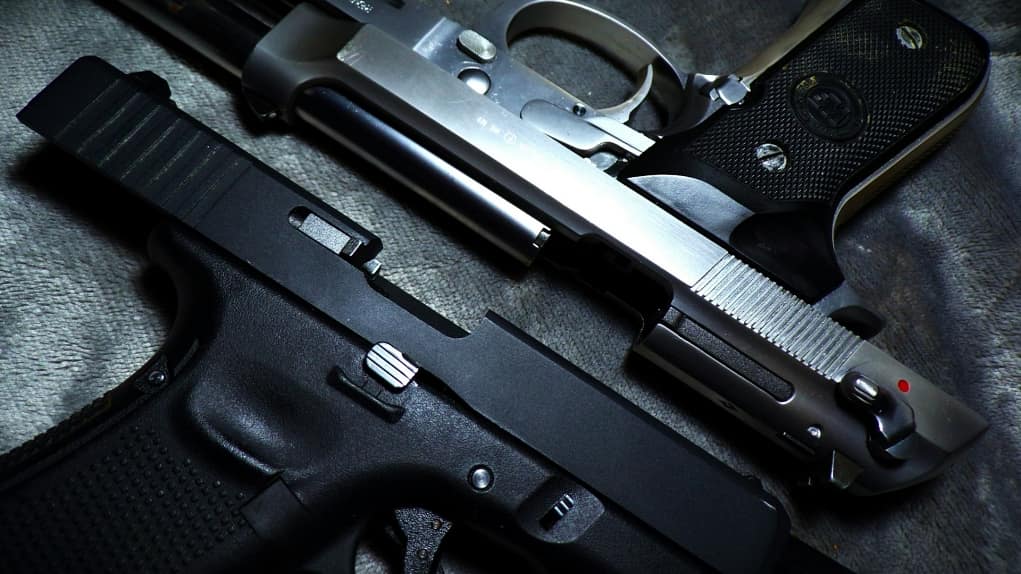
Many firearm owners enjoy range time right up until the moment cleaning begins. Once the handgun is back on the workbench, maintenance can start to feel repetitive, overly technical, or easy to postpone entirely. Yet proper handgun cleaning remains one of the most important parts of responsible firearm ownership.
A clean handgun is generally more reliable, easier to inspect for wear, and better protected against long-term corrosion or buildup. At the same time, many maintenance mistakes happen not because people ignore cleaning altogether, but because they rush the process, use improper tools, or misunderstand how much maintenance is actually necessary.
Learning how to clean a handgun safely is less about perfection and more about consistency, proper handling, and avoiding habits that may unintentionally damage the firearm over time.
Safety Should Always Come Before Maintenance
Before any cleaning begins, the handgun should be completely unloaded and verified safe.
This step sounds obvious, yet negligent discharges during cleaning continue to happen because people skip or rush safety checks. Responsible maintenance begins with slowing down and creating a consistent clearing routine.
A proper safety check should include:
- Removing the magazine
- Locking the slide open
- Visually inspecting the chamber
- Physically checking the chamber if appropriate
- Removing ammunition from the cleaning area
Many experienced firearm owners also prefer cleaning in a quiet, organized environment where distractions are minimized.
Good maintenance habits begin with deliberate handling, not speed.
Use Firearm-Specific Cleaning Tools
One common mistake among newer handgun owners is using household products or improvised tools that were never intended for firearm maintenance.
Proper cleaning supplies usually include:
- Bore brushes matched to caliber
- Cleaning patches
- Nylon utility brushes
- Microfiber cloths
- Firearm-safe solvent
- Light lubricant or gun oil
- Cleaning rods or bore snakes
Harsh chemicals or aggressive metal tools may damage finishes, polymer frames, coatings, or sensitive surfaces over time.
A handgun does not require excessive scrubbing to remain functional. In most cases, controlled and consistent cleaning is more effective than aggressive cleaning methods.
Focus on the High-Contact Areas
Most routine handgun cleaning focuses on areas where residue and fouling build up most heavily.
These commonly include:
- The barrel bore
- Feed ramp
- Slide rails
- Chamber area
- Breech face
- Recoil spring assembly
Carbon buildup and residue are normal after shooting, especially during extended range sessions. The goal is removing excessive fouling while maintaining proper lubrication and smooth operation.
For most handguns, field stripping provides enough access for standard maintenance without requiring full internal disassembly.
Avoid Over-Lubrication
Many firearm owners assume more oil automatically means better performance. In reality, excessive lubrication often creates additional problems.
Too much oil may attract:
- Dirt
- Carbon residue
- Dust
- Unburned powder particles
Over time, this buildup may interfere with reliable operation or create unnecessary cleaning work later.
Most modern handguns function best with light lubrication applied only to recommended contact points. Manufacturer manuals often provide lubrication diagrams showing where small amounts of oil should be placed.
The goal is smooth movement, not saturation.
Cleaning Direction and Barrel Care Matter
The barrel is one of the most important components affecting long-term reliability and accuracy.
Whenever possible, many firearm owners clean from the chamber end toward the muzzle to help reduce unnecessary wear near the crown area. Proper cleaning rod alignment and gentle brush use may help protect rifling and sensitive barrel surfaces over time.
Consistency matters more than force.
Repeated aggressive scrubbing or improper tool use may eventually create more wear than normal firing residue itself.
Common Handgun Cleaning Mistakes to Avoid
Many maintenance issues come from small habits repeated over time.
Important mistakes to avoid include:
- Skipping safety checks before disassembly
- Using the wrong caliber brushes or rods
- Applying excessive lubricant
- Leaving moisture or solvent inside the firearm
- Over-disassembling components unnecessarily
- Using harsh household chemicals
- Waiting too long between cleaning sessions
A practical maintenance routine usually works better than occasional extreme deep-cleaning sessions.
Why Consistent Maintenance Improves Reliability
Handguns operate through tightly timed mechanical movement. Residue, fouling, moisture, or neglected wear points may gradually affect reliability if ignored over time.
Regular maintenance helps support:
- Reliable cycling
- Corrosion prevention
- Easier wear inspection
- Longer component life
- More consistent performance
Cleaning also gives owners an opportunity to inspect springs, sights, magazines, and moving components for unusual wear or damage before problems develop further.
In many ways, maintenance is not only about cleanliness. It is also about familiarity and responsible handling.
What Readers Should Understand About Handgun Cleaning
Proper handgun cleaning focuses on safety, consistency, and practical care rather than excessive perfection.
Key takeaways include:
- Always verify the handgun is unloaded before cleaning
- Use firearm-specific tools and solvents
- Focus on routine field stripping and accessible components
- Avoid over-lubrication
- Clean carefully rather than aggressively
- Consistent maintenance supports long-term reliability
A reliable cleaning routine is usually simple, repeatable, and grounded in safe handling habits.
Reliable Firearm Care Is Built Through Small Habits
Many firearm owners overcomplicate maintenance when they first begin learning about handgun care. In reality, most reliable cleaning routines are built around straightforward habits repeated consistently over time.
Safe handling, organized tools, light lubrication, and routine inspection often matter far more than complicated deep-cleaning rituals or excessive disassembly. A well-maintained handgun is not only more dependable mechanically, but also easier to handle confidently and responsibly.
Ultimately, cleaning a handgun safely is less about making the firearm look perfect and more about preserving reliability, preventing unnecessary wear, and reinforcing disciplined ownership habits that support long-term safe operation.
Sources
- National Shooting Sports Foundation (NSSF) Firearm Maintenance Resources
- Sporting Arms and Ammunition Manufacturers’ Institute (SAAMI)
- Project ChildSafe Firearm Safety Information
- Federal Bureau of Investigation (FBI) Firearm Safety Guidance
- Occupational Safety and Health Administration (OSHA) Chemical Safety Guidance