
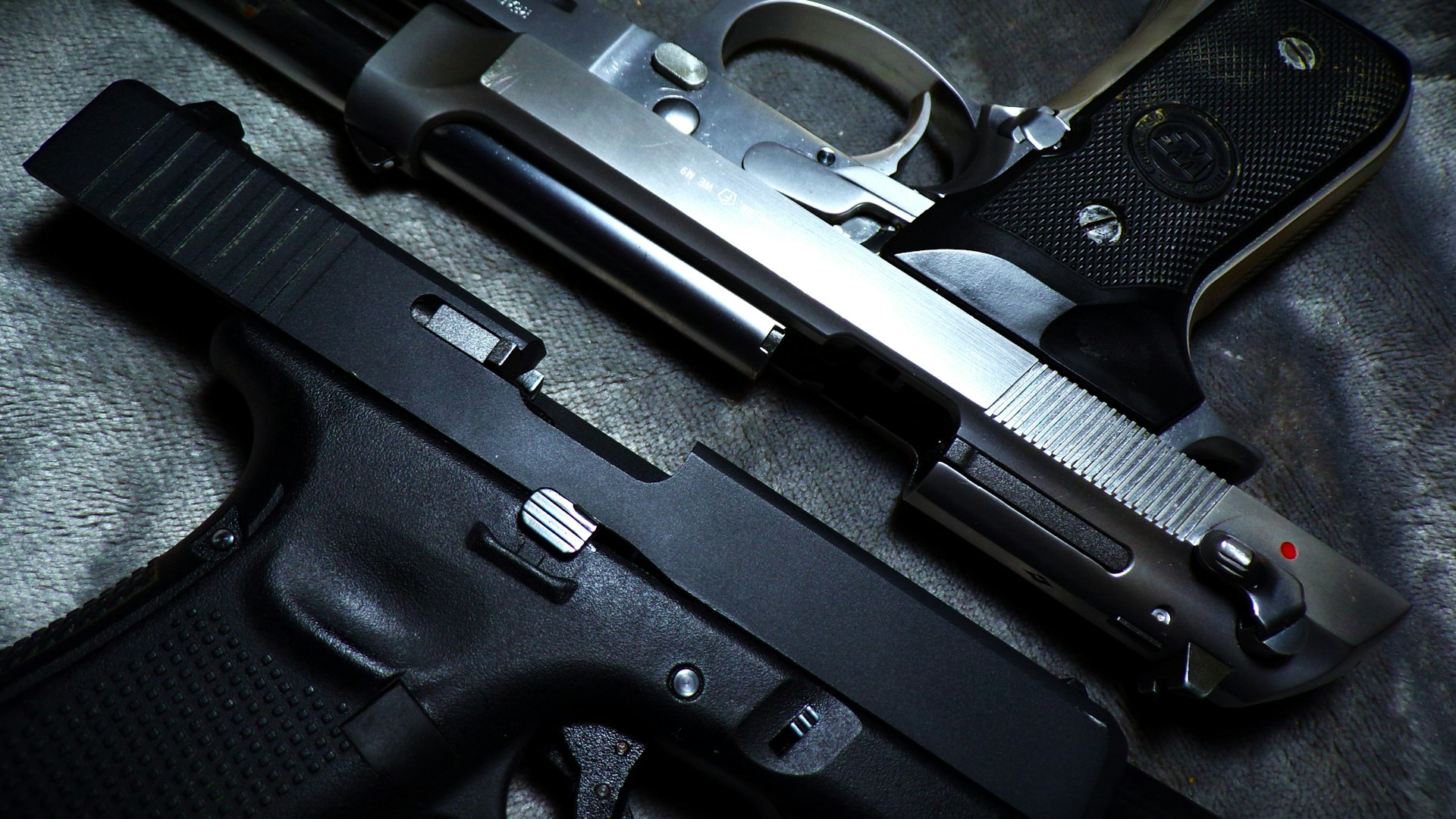
Your handgun will tell you more about your safety, health, and self‑reliance in a 20‑minute cleaning session than in a thousand rounds at the range—if you know what to look for.
Story Snapshot
- Cleaning is not cosmetic; it is preventive maintenance that protects life, health, and your rights as a responsible owner.
- Most negligent discharges during cleaning come from skipping the first two minutes of safety checks.
- Lead and solvent exposure during cleaning can quietly harm you and your family if you ignore basic hygiene and ventilation.
- A simple, repeatable step‑by‑step routine delivers reliability when it matters most.
Safety must dominate the first two minutes
A handgun is either under your control or it is a liability, and cleaning time is when many owners relax at exactly the wrong moment. Before touching a pin or patch, point the muzzle in a safe direction, remove the magazine or open the cylinder, and lock the action open. Verify the chamber and magazine well are empty both visually and by touch; smart owners say “look and feel” every time. Then remove all ammunition from the room or, at minimum, from the work surface so nothing “migrates” back into the gun mid‑task. This disciplined start aligns squarely with the core firearm‑safety rules promoted by major organizations because too many negligent discharges have occurred during “just cleaning it.”
Setup matters more than most people think. A well‑lit, well‑ventilated, distraction‑free table with a mat and the right tools reduces mistakes and frustration. Turning off the TV and silencing the phone is not overkill; it is respect for a lethal tool that still becomes instantly operable the moment a round finds its way into the chamber. According to conservative common sense, treating cleaning as a quiet, focused chore—much like checking brakes before a road trip—is part of adult responsibility, not paranoia.
Field‑strip, then clean from the bore outward
The owner’s manual, not internet bravado, sets the limit on how far to disassemble. Routine cleaning normally requires only field‑stripping, not a full detail breakdown. After separating slide or upper from frame, remove the barrel and recoil spring, keeping parts organized. Cleaning starts with the bore: push a solvent‑soaked patch from chamber to muzzle, let it sit briefly, then run a bore brush through several times before following with dry patches until they emerge clean. This sequence clears fouling that can cause accuracy loss, pressure issues, or failures to feed. Attention then shifts to the feed ramp and chamber, where buildup can create stoppages; a nylon brush and solvent on these areas often reveal why marginal guns start to choke.
Slide, frame, and small parts deserve deliberate but not abusive treatment. Solvent‑dampened cloths, nylon brushes, and cotton swabs reach rails, lugs, breech faces, and extractor claws without gouging or stripping finishes. Gunsmiths consistently warn that using excessive force, steel tools, or soaking guns in harsh chemicals can damage protective coatings, polymer frames, and even safety mechanisms. Over‑solventing can also flush lubricant out of critical friction points or pull crud deeper into tight spaces. Thoughtful cleaning respects mechanical tolerances rather than trying to “scrub it like a frying pan.” For conservative gun owners who prize durability and frugality, avoiding self‑inflicted wear is just good stewardship of an expensive tool.
Lubrication, inspection, and the reliability mindset
Once the metal is clean and dry, lubrication decisions separate casual owners from serious custodians. Guidance from experienced instructors converges on “light but consistent” lube at specific contact points, not a general oil bath. Rails, barrel hood, locking lugs, and other slide‑to‑frame or barrel contact areas typically get a thin film, while triggers, firing pins, and magazines should stay free of excess oil that can collect debris. Over‑lubrication can cause sluggish cycling, gum up firing mechanisms, and attract lint in carry pistols. Under‑lubrication, by contrast, accelerates wear and invites malfunctions under stress. From a practical, rights‑oriented perspective, a defensive firearm that fails because its owner could not be bothered to lube it is a self‑inflicted betrayal of the very purpose of ownership.
Cleaning time doubles as inspection time. As you handle each part, check for peening, cracks, unusual shiny spots, rust, or battered springs. Frequent carriers should also inspect sights, screws, and magazine bodies for looseness, dents, or weak springs. Insurance and risk‑management voices highlight regular inspection and maintenance because they have seen what happens when neglected guns fail or discharge unintentionally. Reassembly should always follow the manual, ending with a function check of safeties, slide lock, trigger reset, and magazine release before ammo returns to the room. This quiet ritual reinforces the mindset that a handgun is life‑saving equipment, not a toy, and that freedom demands competence, not just possession.
Health, hygiene, and protecting your household
Responsible owners increasingly recognize that fouling is not just dirty; it is often toxic. Lead residue, primer compounds, and solvent vapors present real exposure pathways for the person doing the cleaning and anyone sharing the home. Health agencies advise nitrile or rubber gloves, good ventilation or outdoor cleaning when possible, and strict avoidance of relying on simple dust masks, which do almost nothing against vapors. Lead‑removal wipes and thorough handwashing after cleaning reduce the chance of tracking contaminants to steering wheels, refrigerators, or children’s toys. For a conservative household that values both self‑defense and family health, ignoring these straightforward precautions makes little sense when simple protective steps dramatically lower long‑term risk.
Frequency and routine tie everything together. Many instructors advocate cleaning after every range trip to build habits and ensure reliability. Others accept somewhat longer intervals for modern, quality pistols shooting cleaner ammunition, but still push regular inspection and lubrication, especially for daily carry or duty guns. Both camps agree on the essentials: follow the safety rules, field‑strip according to the manual, clean the bore and key components with firearm‑specific products, lubricate lightly at the right points, protect your health, and function‑test every time. In a culture where critics often equate gun ownership with recklessness, meticulous cleaning and maintenance quietly broadcast a different story: this is about competence, discipline, and a sober commitment to protecting life.
Sources:
Teslong – Common Mistakes to Avoid When Cleaning Your Guns
ConcealedCarry‑Ed – Handgun Cleaning Basics
A Girl & A Gun – Basic Pistol Maintenance: Keeping Your Gun Clean and Reliable
TacticalGear – Gun Cleaning and Maintenance Basics
NRA Family – Gun Safety: Cleaning & Maintenance Tips
Lockton Affinity Outdoor – Gun Cleaning Safety Tips
New Jersey Department of Health – Toxic Chemicals and Environmental Health: Gun Cleaning Brochure