Most emergency preparedness conversations eventually come back to one critical resource: water.
People can go days without food, but access to clean water becomes urgent very quickly during power outages, severe weather events, infrastructure failures, or evacuation situations. Despite this, many households still rely almost entirely on normal municipal systems without maintaining meaningful backup supplies at home.
Building a reliable emergency water supply is not about preparing for extreme scenarios. In most cases, it is simply about reducing vulnerability during temporary disruptions that can happen during storms, boil-water advisories, plumbing failures, or extended outages.
A strong water plan combines storage, filtration, rotation, and realistic household planning rather than relying on a single case of bottled water sitting in a garage corner.
Understanding How Much Water a Household Actually Needs
One of the most common mistakes in emergency planning is underestimating daily water usage.
Water is needed not only for drinking, but also for:
- Cooking
- Basic hygiene
- Medication use
- Pet care
- Cleaning
- Food preparation
Federal emergency preparedness agencies often recommend storing at least one gallon of water per person per day for a minimum of three days, though many preparedness experts suggest building larger reserves whenever possible.
Hot climates, physical activity, medical needs, and household size may increase water requirements significantly.
This is why planning should focus on realistic daily usage rather than bare minimum survival estimates alone.
Stored Water Should Be Safe and Rotated
Not all stored water remains reliable indefinitely.
Water storage works best when containers are:
- Food-grade certified
- Properly sealed
- Stored away from direct sunlight
- Protected from heat exposure
- Rotated periodically
Many households use a combination of:
- Commercial bottled water
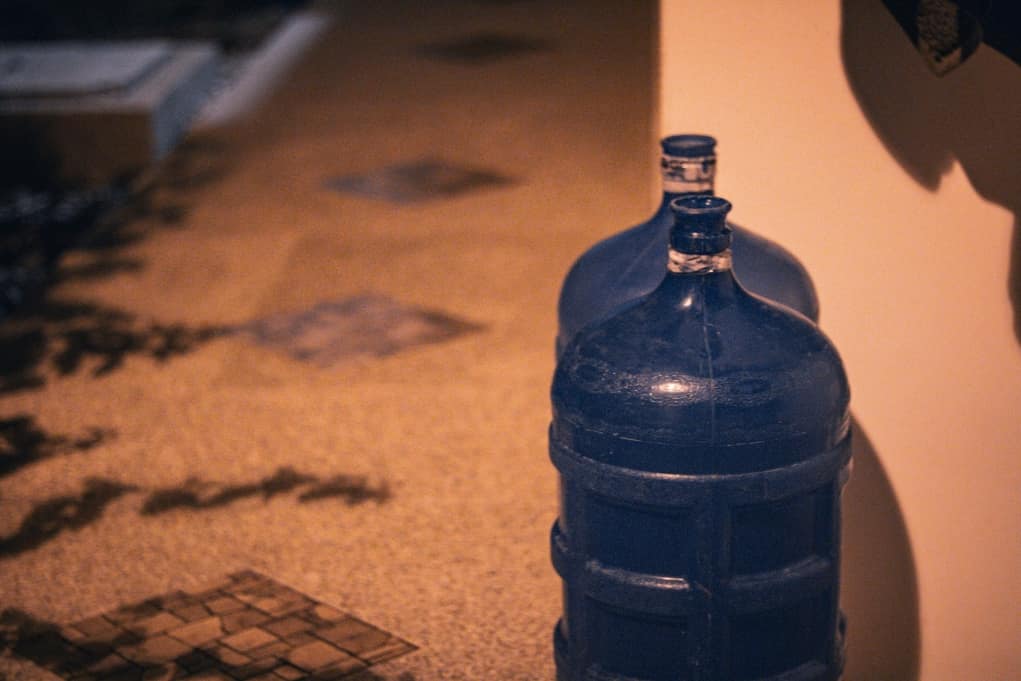
- Refillable storage containers
- Larger water storage tanks
- Portable emergency water pouches
Clearly labeling storage dates helps households track rotation schedules and maintain fresher reserves over time.
Storage location matters too. Cool, dry environments generally help preserve water quality more effectively than garages exposed to extreme heat fluctuations.
Filtration and Purification Add Flexibility
Stored water is important, but filtration systems add another layer of preparedness.
During extended emergencies, backup water sources may include:
- Rainwater collection
- Nearby freshwater sources
- Community distribution points
Portable filtration systems and purification methods may help reduce contaminants and improve water safety when clean municipal water becomes unavailable.
Common emergency purification tools include:
- Gravity filters
- Pump filters
- Purification tablets
- Boiling methods
- Portable UV purification devices
However, different systems remove different types of contaminants. Some address bacteria and sediment while others may not remove chemicals or viruses effectively.
This is why understanding the capabilities and limitations of a chosen filtration system matters before an emergency occurs.
Water Access Planning Matters as Much as Storage
Preparedness is not only about how much water exists in the home. It is also about how easily that water can be accessed during stressful conditions.
Questions worth considering include:
- Can containers be moved safely?
- Does everyone know where supplies are located?
- Are backup purification methods available?
- Is water accessible during power outages?
- Are emergency containers easy to open and transport?
Many people store water successfully but overlook practical access issues until emergencies happen.
Simple organization can significantly improve usability during stressful situations.
Short-Term Preparedness Is Often More Realistic Than Extreme Stockpiling
Some people avoid preparedness entirely because they associate it with extreme survivalism.
In reality, most households benefit enormously from preparing for shorter disruptions lasting several days or weeks rather than attempting to prepare for every possible disaster scenario indefinitely.
A practical emergency water supply may simply involve:
- Reliable bottled water reserves
- Proper storage containers
- Basic filtration capability
- Water rotation habits
- Emergency access planning
Preparedness works best when it feels sustainable and manageable within normal daily life.
What Readers Should Understand About Emergency Water Planning
Reliable water preparedness depends on planning, organization, and consistency.
Important takeaways include:
- Water needs extend beyond drinking alone
- Storage containers and conditions matter significantly
- Water should be rotated periodically
- Filtration systems provide important backup flexibility
- Accessibility matters during emergencies
- Practical preparedness is usually more sustainable than extreme stockpiling
Strong emergency planning focuses on building dependable systems rather than reacting emotionally during disruptions.
Reliable Preparedness Starts With the Basics
Emergency preparedness often becomes overwhelming when people focus on complicated gear or worst-case scenarios. Yet water remains one of the simplest and most important areas where practical preparation can make a major difference.
Clean water supports health, decision-making, hygiene, and overall stability during stressful situations. Even modest preparation efforts can reduce uncertainty significantly when normal infrastructure becomes temporarily unavailable.
In many ways, building a reliable emergency water supply is less about fear and more about resilience. Small systems built consistently over time often provide far greater peace of mind than last-minute panic during unexpected disruptions.
Sources
- Federal Emergency Management Agency (FEMA) Water Preparedness Guidance
- Centers for Disease Control and Prevention (CDC) Emergency Water Storage Information
- Environmental Protection Agency (EPA) Emergency Drinking Water Guidance
- American Red Cross Emergency Water Supply Recommendations
- World Health Organization (WHO) Water Safety Resources