Choosing a home defense firearm is a serious decision that involves more than simply buying the most popular gun online or selecting the largest caliber available. A defensive firearm should fit the household, the user’s experience level, and the realities of the environment where it may actually be used.
For many people, the process can feel overwhelming. Handguns, shotguns, and rifles all have passionate supporters, and each platform comes with strengths, tradeoffs, and learning curves. Marketing often focuses heavily on power or tactical appearance, but responsible home defense is really about safety, reliability, control, and preparation.
The best home defense firearm is usually the one that can be operated safely, confidently, and consistently under stress. Understanding the factors that truly matter can help people make more practical and informed decisions.
Reliability Should Be the First Priority
A defensive firearm should function consistently and predictably.
Reliability matters more than cosmetic features, aggressive styling, or trend-driven upgrades. In stressful situations, simple and dependable operation becomes extremely important.
When evaluating a firearm for home defense, many experienced owners prioritize:
- Proven reliability records
- Quality manufacturing
- Ease of maintenance
- Consistent feeding and cycling
- Availability of parts and magazines
Complicated setups or heavily modified firearms may sometimes introduce unnecessary issues that reduce dependability.
This is one reason many instructors recommend starting with established platforms that have strong reputations for long-term reliability.
Different Firearm Types Offer Different Advantages
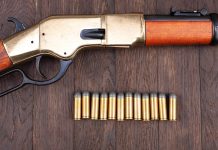
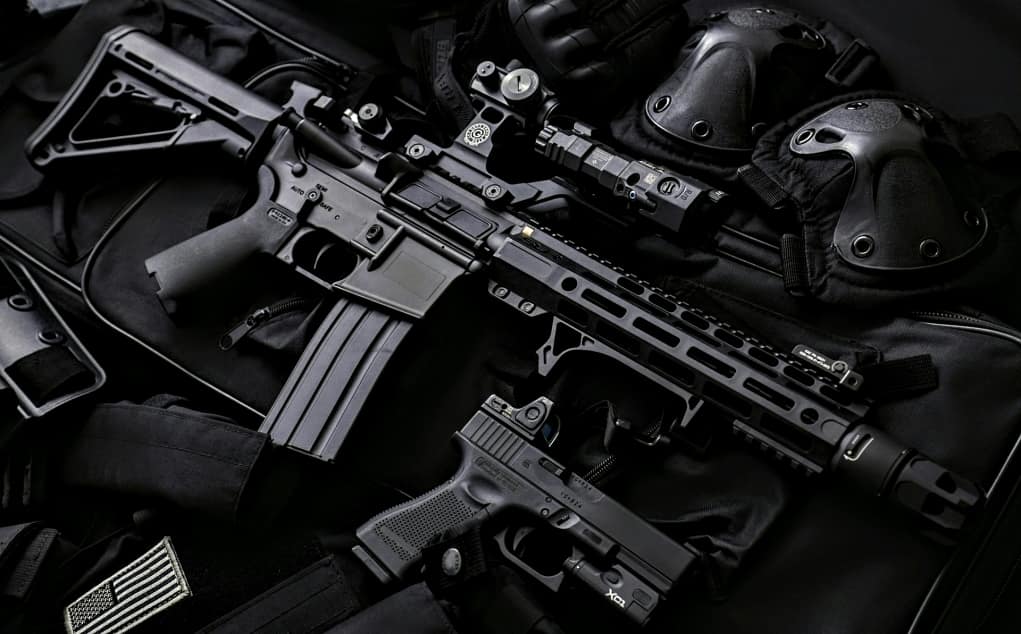
Home defense firearms generally fall into three main categories:
- Handguns
- Shotguns
- Rifles or pistol-caliber carbines
Each option has strengths and limitations.
Handguns are compact, easier to secure in smaller safes, and easier to maneuver in tight spaces. However, they often require more practice to shoot accurately under stress.
Shotguns provide strong close-range effectiveness but may produce heavier recoil and slower follow-up shots for some users.
Rifles and carbines often offer improved stability, higher magazine capacity, and easier sight alignment, though they may be larger to maneuver indoors.
There is no universal answer that fits every household. The best choice depends heavily on the user’s comfort level, training commitment, and living environment.
Fit and Control Matter More Than Raw Power
One of the biggest mistakes new buyers make is prioritizing caliber or power over controllability.
A firearm that produces excessive recoil or feels uncomfortable in the hands may become harder to operate effectively during stressful situations.
Important considerations include:
- Grip comfort
- Weight balance
- Trigger reach
- Recoil management
- Ease of operating controls
Many people discover that moderate calibers they can control confidently are far more practical than larger calibers they struggle to manage.
For example, 9mm handguns are commonly recommended because they often provide a balance of manageable recoil, reliability, ammunition availability, and defensive effectiveness.
The goal is consistent control rather than maximum power.
Safe Storage Is Part of the Decision
A home defense firearm should always be paired with a safe storage plan.
Responsible storage helps prevent:
- Unauthorized access
- Accidental handling
- Theft
- Unsafe conditions inside the home
Quick-access safes are commonly used because they balance security with accessibility during emergencies.
Households with children, guests, or multiple occupants should think carefully about how firearms are stored and who may potentially access them.
Preparedness involves more than simply owning a firearm. It includes creating systems that support safe handling and responsible use.
Training Often Matters More Than Equipment
Many experienced instructors emphasize that training and familiarity usually matter more than owning expensive equipment.
A reliable firearm paired with regular practice often provides more value than a highly customized firearm that is rarely used or trained with.
Important areas of training include:
- Safe handling fundamentals
- Target identification
- Reloading procedures
- Low-light awareness
- Malfunction clearing
- Situational awareness
The ability to remain calm and operate a firearm safely under pressure develops through repetition and responsible practice over time.
What Readers Should Prioritize When Choosing a Home Defense Firearm
Choosing a defensive firearm should focus on practical usability rather than trends or appearance.
Key takeaways include:
- Reliability should outweigh cosmetic features
- Different firearm types serve different needs
- Recoil control and comfort matter significantly
- Safe storage is part of responsible ownership
- Training improves confidence and safety
- Simpler setups are often more dependable long-term
The best defensive firearm is usually the one that can be operated safely, confidently, and consistently within the realities of everyday life.
Responsible Preparedness Starts With Understanding
Home defense conversations can easily become focused on equipment alone, but true preparedness involves much more than owning a firearm. It includes judgment, safe handling habits, training, and realistic understanding of personal limitations and household needs.
A thoughtfully chosen firearm should support confidence and responsibility rather than anxiety or overcomplication. When combined with proper training and secure storage, the right setup can become part of a broader approach to personal safety that emphasizes awareness, preparation, and calm decision-making.
In the end, responsible home defense is less about finding the “perfect” firearm and more about building reliable habits that remain effective under pressure.
Sources
- National Shooting Sports Foundation (NSSF)
- Project ChildSafe Firearm Safety Resources
- Federal Law Enforcement Training Centers (FLETC)
- Sporting Arms and Ammunition Manufacturers’ Institute (SAAMI)
- U.S. Concealed Carry Association Educational Resources