
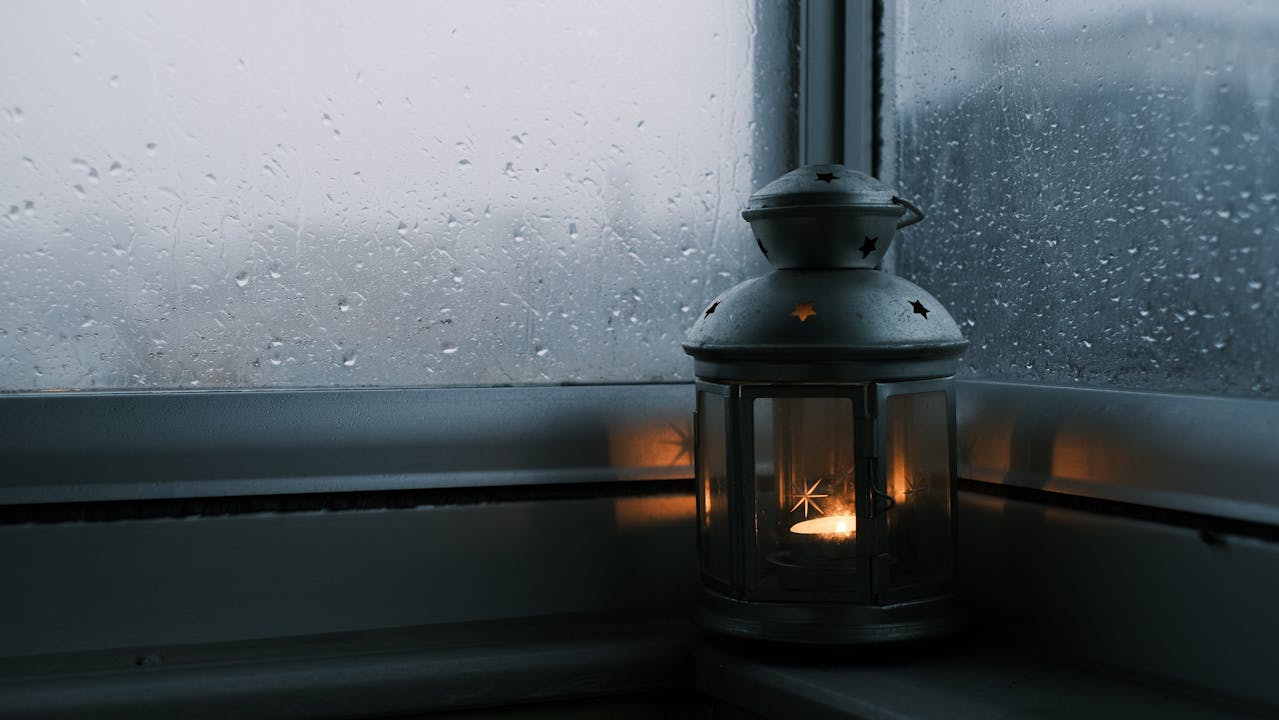
Storm season has a way of sneaking up on us. One day the weather feels calm, and the next you are hearing warnings that make your stomach tighten a little. If you have ever been caught off guard by a storm, you know how stressful it can feel. But here is the encouraging truth. Preparing your home does not have to be overwhelming or expensive. With simple steps and a steady pace, you can turn worry into confidence and make your home a safer place for the people you love.
This guide walks you through how to get ready in a way that feels doable, even when life is already full.
Start with a simple home check
Before you buy anything or start rearranging your home, begin with a simple walkaround. Look for loose gutters, damaged siding or branches hanging too close to your windows or roof. These small things can cause big headaches during a storm.
Walk through the inside as well. Make sure windows close properly, doors latch securely and there are no leaks in the ceiling that could get worse with heavy rain. Just noticing these things gives you a clearer picture of what needs attention and what can wait.
Clear the areas that matter most
Sometimes the most effective preparation is also the easiest. Clear out your gutters so water can flow freely. Trim branches that hang over your roof or driveway. Move items like patio furniture, loose decorations or tools into a garage or shed before storms roll in. These simple actions reduce the chance of damage and keep flying debris from becoming a danger.
Taking care of these outdoors steps also helps you feel more in control, one small task at a time.
Create a safe space inside your home
If a strong storm hits, you want a place where your family can gather safely. Choose an interior room away from windows, preferably on the lowest floor of your home. It could be a hallway, a closet, a bathroom or even a laundry room.
Keep a small bag or box of essentials in this space. Flashlights, water bottles, a portable radio and a few snacks can make a stressful moment feel more manageable. Having a designated space also gives you peace of mind long before any storm warning ever arrives.
Build a basic emergency supply kit
You do not need a massive kit to be prepared. Start with the essentials. Bottled water, non-perishable food, a first aid kit, needed medications, batteries and a portable phone charger. Add items slowly as you are able. Even a few supplies make a big difference when the power goes out or roads become unsafe.
If money is tight, build your kit over time. One or two items each week can grow into something reliable without hurting your budget.
Protect important belongings
Take a moment to gather important documents like insurance papers, birth certificates or financial records. Place them in a waterproof folder or plastic container. Store them somewhere easy to access if you ever need to leave your home quickly.
If you have items with emotional value, such as photos or keepsakes, consider putting them in a safe, sealed container as well. This step protects what matters most and gives you comfort knowing your memories are secure.
Make a family plan
Storms are less frightening when everyone knows what to do. Talk with the people in your home about where to meet, how to communicate and what each person should bring if you need to take shelter. Keep it simple. A clear plan replaces panic with confidence and helps everyone stay calm when the weather gets rough.
Stay informed and stay calm
Download a reliable weather app or keep a small radio nearby. Staying informed helps you make good decisions before a storm becomes severe. When alerts come in, act early rather than waiting. Preparation always feels better than rushing.
Most importantly, try to stay calm. You are doing your best. You are taking steps that keep your family safe. And every bit of preparation strengthens your peace of mind.
A final reminder for you
Preparing your home for storm season is not about fear. It is about empowerment. It is about taking small, thoughtful steps that help you feel more secure in a world that does not always give warning. You do not need to do everything at once. Even small actions build confidence and resilience.
Keep moving at your own pace. Keep preparing little by little. And remember, you are stronger, wiser and more capable than any storm that comes your way.