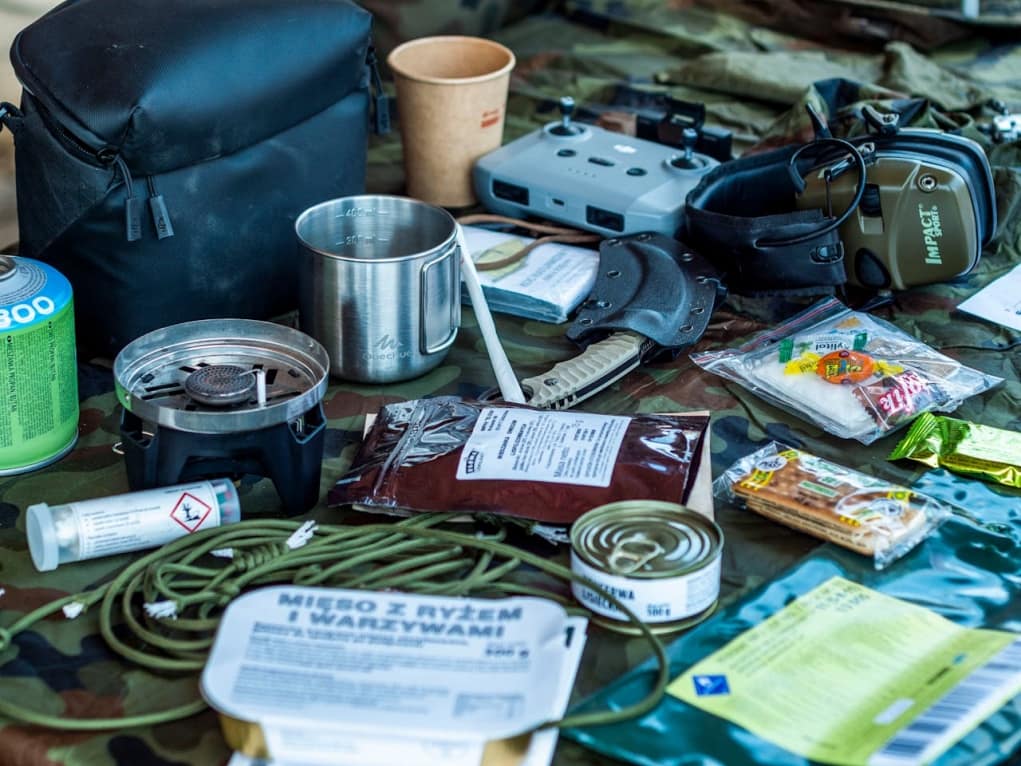
When people think about personal readiness, they often picture equipment—bags, tools, or supplies stacked neatly and ready to go. While gear has its place, readiness is not defined by what you own. In many cases, the most effective improvements come from habits, planning, and awareness rather than purchases.
Improving readiness without buying more gear is not about doing less. It is about using what you already have more intentionally and strengthening the skills that matter when plans change or situations become uncertain. This article explains practical ways to improve personal readiness through mindset, preparation, and everyday routines.
Why Readiness Is More Than Equipment
Gear can fail, break, or be unavailable when you need it most. Readiness that relies solely on equipment leaves gaps if circumstances change. True readiness includes decision-making, adaptability, and the ability to stay calm under pressure.
Many preparedness gaps are not caused by a lack of tools but by unclear plans or unpracticed responses. Addressing those gaps often requires time and attention rather than money.
Strengthening Situational Awareness in Daily Life
Situational awareness is one of the most valuable readiness skills, and it costs nothing to improve. It involves paying attention to your environment, noticing changes, and understanding what is normal versus unusual.
This does not mean constant vigilance or anxiety. It means being present. Knowing where exits are, understanding your surroundings, and recognizing potential disruptions allows faster, more confident responses in everyday situations.
Improving Readiness Through Planning and Rehearsal
Clear plans reduce hesitation. Knowing what you would do in common scenarios—such as power outages, travel delays, or communication disruptions—builds confidence without requiring new equipment.
Mental rehearsal is especially effective. Walking through scenarios in your mind helps identify weak points and clarifies priorities. These exercises turn uncertainty into familiarity, which improves response quality when real situations arise.
Communication Readiness Matters More Than Supplies
In many situations, the biggest challenge is not lack of equipment but lack of communication. Knowing who to contact, how to share information, and what signals matter can prevent confusion.
Reviewing contact lists, confirming meeting points, and clarifying responsibilities improves readiness immediately. These steps ensure coordination even when conditions are less than ideal.
What You Gain by Focusing on Readiness Skills
Building readiness without buying more gear shifts the focus from accumulation to capability. This approach offers several practical benefits:
Faster decision-making under stress
Greater confidence using existing resources
Reduced dependence on specific equipment
Improved coordination with others
Better adaptability when plans change
These gains compound over time and strengthen readiness across multiple scenarios.
Managing Stress and Decision-Making Under Pressure
Stress management is often overlooked in preparedness discussions. In real situations, stress affects judgment more than lack of tools. Learning how your body responds to pressure improves self-control and awareness.
Simple practices like controlled breathing, prioritization, and deliberate pacing help maintain clarity. These skills support better decisions regardless of the situation or environment.
Reviewing and Using What You Already Have
Many people own useful tools but rarely practice using them. Reviewing existing resources—whether knowledge, skills, or equipment—can reveal overlooked strengths.
Familiarity matters. Knowing where things are stored, how they work, and when to use them improves readiness far more than owning additional items that remain unused.
Building Readiness as an Ongoing Process
Personal readiness is not a fixed state. It evolves with experience, lifestyle, and environment. Small, consistent improvements create a stronger foundation than occasional purchases driven by urgency or trends.
By focusing on awareness, planning, communication, and stress management, readiness becomes part of daily life rather than a separate activity.
A More Sustainable Approach to Preparedness
Improving personal readiness does not require constant upgrades or new gear. It requires attention, intention, and practice. The most reliable preparedness comes from skills that travel with you, regardless of location or circumstances.
When readiness is built on understanding rather than accumulation, it becomes more flexible, durable, and effective. That foundation allows people to respond calmly and confidently—using what they already have—when it matters most.
Sources
Federal Emergency Management Agency – Personal Preparedness Guidance
Centers for Disease Control and Prevention – Emergency Readiness Resources
American Red Cross – Preparedness and Response Education
National Safety Council – Risk Awareness and Preparedness