Responsible firearm ownership extends far beyond purchasing a firearm or learning how to operate it safely. One of the most important — and sometimes overlooked — responsibilities is secure storage inside the home.
Many firearm-related accidents, unauthorized access situations, and theft incidents are influenced not only by firearm ownership itself, but by how firearms are stored when they are not actively in use. Safe storage habits help reduce unnecessary risk while supporting responsible access, maintenance, and long-term firearm care.
Effective firearm storage is not about fear or extreme measures. It is about creating consistent systems that balance accessibility, household safety, and responsible handling practices.
For many households, small improvements in storage habits can significantly improve overall safety and organization.
Safe Storage Starts With Consistency
One of the most important aspects of firearm storage is consistency.
A safe storage system only works if it becomes part of a regular routine. Leaving firearms unsecured “just temporarily” or placing them in different locations inconsistently can increase the chances of unauthorized access or confusion during stressful situations.
Strong storage habits often include:
- Returning firearms to the same secure location
- Verifying firearms are unloaded before storage when appropriate
- Separating ammunition when desired or required
- Locking storage devices consistently
- Maintaining controlled access
Consistency reduces uncertainty and helps ensure everyone in the household understands how firearms are handled and secured.
Different Households Have Different Needs
There is no single storage solution that fits every home.
Storage decisions often depend on factors such as:
- Presence of children
- Number of firearms
- Home layout
- Defensive access needs
- Travel frequency
- Humidity and climate conditions
For example, a household focused primarily on long-term storage may prioritize larger safes with humidity control, while a home-defense-focused setup may require quick-access lockboxes that balance security with accessibility.
Responsible storage means evaluating the actual needs of the environment rather than simply purchasing the largest or most expensive safe available.
Quick-Access Storage Requires Responsible Planning
Quick-access storage systems have become increasingly popular because they allow authorized users to access defensive firearms more efficiently during emergencies.
These systems may include:
- Biometric safes
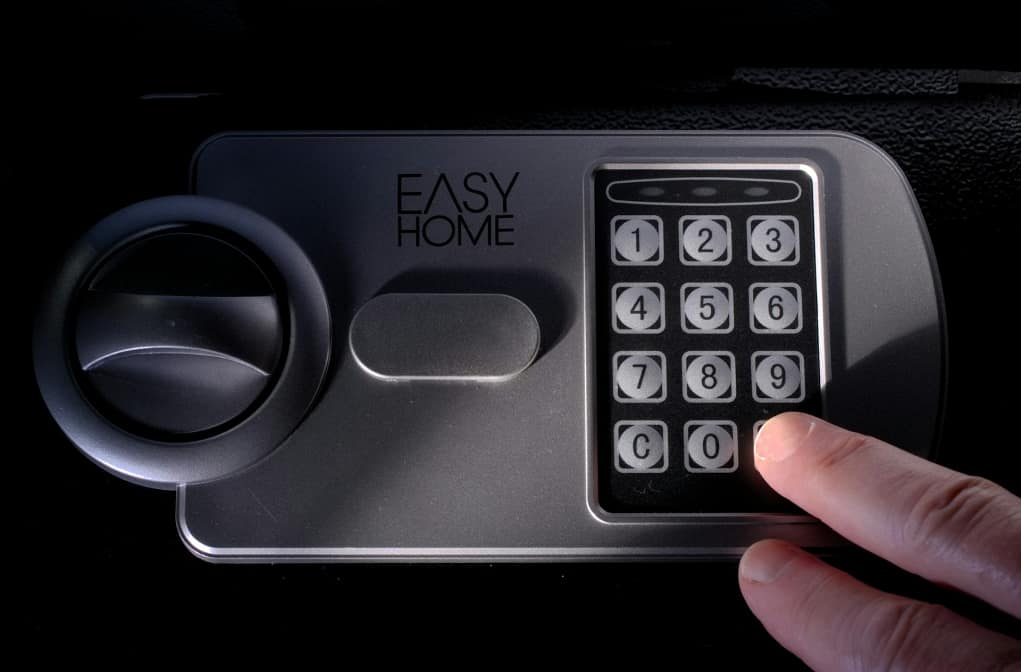
- Keypad lockboxes
- RFID access systems
- Mechanical push-button safes
While convenience matters, placement and security remain extremely important.
Quick-access systems should still be:
- Mounted securely when possible
- Kept away from unauthorized users
- Tested regularly
- Maintained properly
Technology also has limitations. Batteries fail, biometric readers may malfunction, and electronic systems require maintenance over time.
This is why many firearm owners regularly test access systems and maintain backup entry methods.
Environmental Protection Matters Too
Safe storage is not only about preventing unauthorized access. It also helps protect firearms from long-term environmental damage.
Moisture and humidity may contribute to:
- Rust
- Corrosion
- Wood stock damage
- Optic deterioration
Many firearm owners use:
- Dehumidifier rods
- Silica gel packs
- Climate-controlled safes
- Protective oil coatings
These measures help preserve reliability and long-term firearm condition, especially in humid climates.
Good storage habits protect both safety and equipment longevity simultaneously.
Communication and Education Matter Inside the Home
Storage systems work best when paired with communication and education.
Responsible households often establish clear expectations regarding:
- Who has access
- How firearms are handled
- What children should do if they encounter a firearm
- Emergency procedures
- Maintenance routines
Education helps reduce confusion and reinforces safe behavior over time.
Many firearm safety organizations encourage ongoing conversations about responsible handling and storage rather than relying entirely on physical security devices alone.
What Readers Should Understand About Safe Gun Storage
Strong storage habits combine security, consistency, and responsible planning.
Important takeaways include:
- Consistency is one of the most important safety factors
- Storage needs vary between households
- Quick-access systems require proper maintenance and placement
- Environmental protection helps preserve firearm condition
- Communication and education support long-term safety
- Responsible storage balances accessibility with security
Safe firearm ownership involves creating systems that reduce unnecessary risk while supporting responsible handling practices.
Responsible Ownership Is Built Through Everyday Habits
Safe firearm storage is rarely defined by one product alone. More often, it comes from the habits surrounding how firearms are handled, secured, maintained, and discussed inside the home.
Small actions repeated consistently — locking firearms properly, checking storage systems regularly, managing humidity, and communicating clearly with family members — often create stronger safety outcomes than dramatic or overly complicated solutions.
Ultimately, responsible firearm ownership is not only about what happens at the range or during training. It is also about the quiet daily routines that help ensure firearms remain secure, protected, and handled thoughtfully within the realities of everyday life.
Sources
- Project ChildSafe Firearm Storage and Safety Resources
- National Shooting Sports Foundation (NSSF) Safe Storage Guidance
- Centers for Disease Control and Prevention (CDC) Injury Prevention Resources
- American Academy of Pediatrics Firearm Safety Information
- Sporting Arms and Ammunition Manufacturers’ Institute (SAAMI)