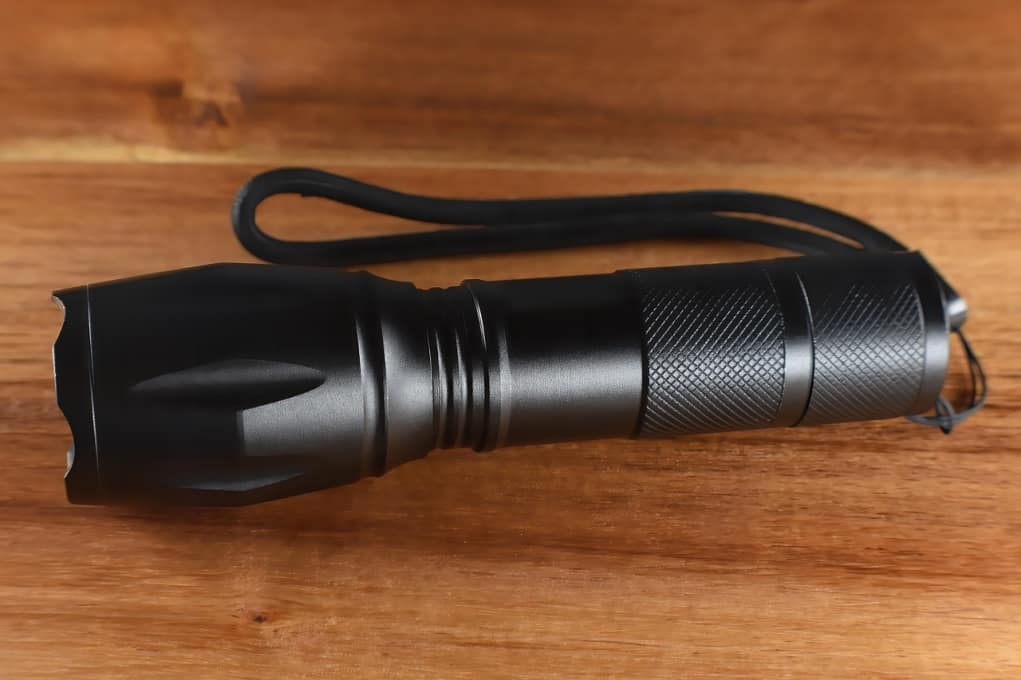
Most people do not think much about flashlights until they suddenly need one.
A power outage, roadside emergency, dark parking lot, storm evacuation, or simple household repair can quickly reveal how useful reliable lighting becomes in everyday life. Yet many households still rely on weak plastic flashlights with dead batteries hidden somewhere in a drawer until an emergency happens.
A practical everyday flashlight is not necessarily the brightest or most expensive option available. In many cases, the best flashlight is the one that balances reliability, usability, battery life, portability, and realistic everyday function.
Choosing the right flashlight involves understanding how people actually use lighting tools in real-world situations rather than focusing entirely on marketing claims or extreme performance numbers.
Brightness Matters, But So Does Control
Flashlight brightness is often measured in lumens, and many modern flashlights advertise extremely high output levels.
While brightness can be useful, more lumens are not always better for everyday use.
Excessively bright flashlights may create problems such as:
- Harsh glare indoors
- Reduced battery life
- Excess heat
- Poor close-range visibility
- Faster power drain during emergencies
For many practical applications, moderate brightness with adjustable settings is more useful than maximum output alone.
Features many users appreciate include:
- Low-light modes
- Medium utility settings
- High-output options when needed
- Strobe or signaling functions
- Adjustable beam patterns
A balanced flashlight allows users to adapt lighting to different environments rather than relying on a single overpowering mode.
Battery Type Affects Reliability
Battery systems play a major role in long-term flashlight practicality.
Common options include:
- Disposable AA or AAA batteries
- Rechargeable lithium-ion batteries
- Built-in USB rechargeable systems
- CR123A batteries
Each has advantages and tradeoffs.
Rechargeable flashlights reduce long-term battery costs and are convenient for frequent use. However, disposable batteries may remain useful during extended outages where charging access becomes limited.
Some preparedness-focused households prefer flashlights that can operate on commonly available batteries because replacements may be easier to find during emergencies.
Others prioritize USB-C rechargeable systems for convenience and faster charging.
The best choice often depends on how the flashlight will actually be used.
Size and Carry Comfort Matter More Than Many Realize
Large flashlights may offer impressive performance, but they are less useful if people avoid carrying them regularly.
Everyday-use flashlights are often most effective when they are:
- Lightweight
- Comfortable to hold
- Easy to store
- Pocket-friendly
- Durable enough for routine use
This is why many people prefer compact handheld lights that fit naturally into bags, vehicles, nightstands, or pockets without becoming inconvenient.
A flashlight that is slightly less powerful but consistently accessible may prove far more useful than a larger model left at home.
Durability and Water Resistance Improve Reliability
Everyday lighting tools are exposed to drops, moisture, dust, and changing environments.
Important durability features may include:
- Aluminum body construction
- Water resistance ratings
- Impact resistance
- Reliable switch design
- Secure battery compartments
Weather resistance becomes especially important during storms, roadside emergencies, or outdoor use.
Many higher-quality flashlights are designed to continue operating after moderate drops or rain exposure, which improves reliability when conditions become less predictable.
Simple Controls Are Often Better Under Stress
Complicated interfaces may become frustrating during emergencies.
Some flashlights cycle through multiple brightness settings or hidden modes with confusing button combinations. Under stress or darkness, overly complex controls may slow users down unnecessarily.
Practical everyday flashlights usually benefit from:
- Simple button layouts
- Easy access to common brightness settings
- Predictable operation
- Quick activation
Ease of use matters just as much as technical performance specifications.
What Readers Should Understand About Everyday Flashlights
Practical lighting tools prioritize reliability and usability over marketing hype.
Key takeaways include:
- Extreme brightness is not always necessary
- Adjustable output settings improve versatility
- Battery systems affect long-term preparedness
- Compact flashlights are easier to carry consistently
- Durability improves reliability during emergencies
- Simple controls matter during stressful situations
The best flashlight is usually the one that works reliably in the situations people are most likely to encounter.
Reliable Lighting Is One of the Simplest Preparedness Upgrades
Many preparedness improvements require planning, organization, or long-term investment. A dependable flashlight, however, remains one of the simplest and most practical upgrades people can make immediately.
Reliable lighting supports safety, mobility, communication, repairs, navigation, and overall confidence during unexpected situations. Whether dealing with storms, vehicle problems, household outages, or outdoor travel, good lighting often becomes valuable faster than people expect.
Ultimately, choosing a practical flashlight is less about chasing the highest specifications and more about selecting a dependable tool that fits everyday life realistically. In many situations, simple reliability becomes far more important than impressive numbers on packaging.
Sources
- Federal Emergency Management Agency (FEMA) Emergency Supply Guidance
- National Safety Council Emergency Preparedness Resources
- Occupational Safety and Health Administration (OSHA) Portable Lighting Safety Guidance
- National Institute of Standards and Technology (NIST) Battery and Electronics Research
- American Red Cross Emergency Preparedness Information