
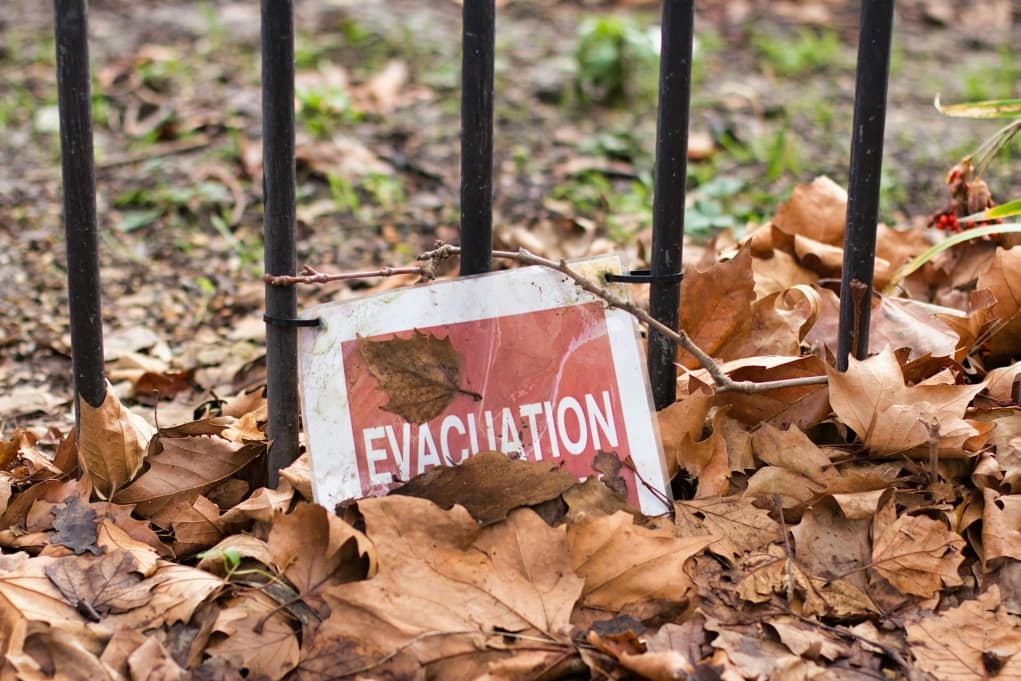
When emergencies happen, confusion often spreads faster than the event itself. Roads become congested, communication systems get overwhelmed, and people scramble to make decisions under pressure. Whether the threat comes from hurricanes, wildfires, flooding, chemical spills, or severe storms, one reality remains consistent: communities respond more effectively when evacuation plans are clear before disaster strikes.
An evacuation plan is not simply a government document hidden in an office somewhere. It is a coordinated strategy designed to move people safely away from danger while reducing panic, traffic problems, and communication breakdowns.
Communities that prepare ahead of time tend to recover faster, respond more calmly, and protect vulnerable populations more effectively. Understanding why evacuation planning matters can help residents become more aware of their role in community preparedness rather than assuming emergency response is someone else’s responsibility.
Evacuation Plans Reduce Confusion During Emergencies
One of the primary goals of an evacuation plan is to replace uncertainty with structure.
During emergencies, people often face difficult questions very quickly:
- Which routes are safest?
- Where are evacuation shelters located?
- When should residents leave?
- How will emergency alerts be delivered?
- What happens if major roads become blocked?
Without a clear plan, thousands of individuals may attempt to make these decisions independently at the same time, creating traffic bottlenecks and unnecessary delays.
Well-developed evacuation systems help organize movement in a way that improves safety and reduces disorder. Even basic planning can significantly improve response coordination during fast-moving situations.
Local Geography Changes Everything
Evacuation planning is highly dependent on geography. A coastal hurricane evacuation differs dramatically from a wildfire evacuation in mountainous terrain or a flood evacuation near rivers and low-lying areas.
Communities must consider factors such as:
- Population density
- Road capacity
- Weather risks
- Nearby industrial hazards
- Access to hospitals and schools
- Public transportation availability
A plan that works well in one region may fail completely in another.
This is why local emergency management agencies often spend years evaluating evacuation routes, traffic patterns, and shelter coordination specific to their communities.
Vulnerable Populations Require Additional Planning
Not everyone can evacuate quickly or independently.
Older adults, individuals with disabilities, hospital patients, young children, and households without reliable transportation may require additional support during emergencies.
Strong evacuation plans often include coordination for:
- Medical transportation
- Assisted living facilities
- School evacuations
- Public transit support
- Shelter accessibility
- Communication for non-English-speaking populations
Prepared communities recognize that evacuation planning is not only about moving large numbers of people efficiently. It is also about ensuring that vulnerable residents are not left behind during high-stress situations.
Communication Systems Matter as Much as Routes
A well-designed evacuation plan depends heavily on communication.
Residents need accurate and timely information regarding:
- Evacuation orders
- Shelter locations
- Road closures
- Weather updates
- Safe return procedures
Modern emergency communication may involve:
- Wireless emergency alerts
- Local news broadcasts
- Emergency sirens
- Social media updates
- Community notification apps
- Radio systems
However, communication systems can become strained during major disasters. That is why preparedness experts often encourage households to understand evacuation zones and routes before emergencies occur.
Practice and Public Awareness Improve Outcomes
An evacuation plan only works if people understand it.
Many communities conduct drills, public awareness campaigns, or preparedness exercises to help residents become familiar with evacuation procedures before they are urgently needed.
These efforts can help people:
- Recognize evacuation zones
- Identify multiple exit routes
- Prepare emergency supply kits
- Understand shelter procedures
- Reduce panic during real emergencies
Preparedness is often more effective when it becomes part of normal community awareness rather than a reaction after disaster warnings begin.
What Readers Should Understand About Community Evacuation Plans
Effective evacuation planning is about organization, communication, and preparation.
Key insights include:
- Clear evacuation plans reduce confusion and traffic problems
- Geographic risks shape evacuation strategies
- Vulnerable populations require additional support systems
- Communication systems are essential during emergencies
- Public awareness improves evacuation effectiveness
- Preparation before disasters leads to calmer responses during them
Communities function more safely when evacuation planning is treated as a shared responsibility rather than an afterthought.
Preparation Builds Stability During Uncertainty
No evacuation plan can eliminate every challenge during a disaster. Emergencies are unpredictable by nature. However, organized planning can dramatically improve how communities respond when difficult situations arise.
Clear evacuation strategies help transform chaotic moments into coordinated action. They provide residents with guidance, improve emergency response efficiency, and reduce unnecessary confusion during already stressful events.
At its core, community preparedness is not about expecting disaster constantly. It is about building systems that help people protect one another when conditions become uncertain. In many cases, the strength of a community is revealed not during normal days, but during how well it works together when emergencies occur.
Sources
- Federal Emergency Management Agency (FEMA) Evacuation Guidance
- Centers for Disease Control and Prevention (CDC) Emergency Preparedness Resources
- National Weather Service Emergency Preparedness Information
- American Red Cross Emergency Planning Resources
- U.S. Department of Homeland Security Preparedness Information