For years, caliber debates have dominated conversations about concealed carry. Online forums, gun counters, and training discussions often focus heavily on power, ballistic performance, and stopping capability. In the middle of those debates, one cartridge continues to maintain a loyal following despite frequent criticism: the .380 ACP.
At first glance, some people dismiss the cartridge as underpowered compared to larger defensive calibers such as 9mm. Yet many concealed carriers—including experienced shooters—continue choosing .380 ACP pistols for one simple reason: practicality.
Concealed carry is not only about ballistic performance. It is also about comfort, consistency, concealability, recoil control, and the likelihood that someone will actually carry the firearm daily. For many individuals, .380 ACP pistols strike a balance that fits those priorities well.
Understanding why the cartridge remains popular requires looking beyond caliber arguments and focusing on how concealed carry works in everyday life.
Smaller Pistols Encourage Consistent Carry
One of the biggest reasons people choose .380 ACP is firearm size.
Many .380 pistols are designed specifically for deep concealment and lightweight everyday carry. These compact dimensions make them easier to carry comfortably in situations where larger firearms may feel bulky or impractical.
Advantages often include:
- Reduced weight
- Slimmer profiles
- Easier pocket carry
- Improved comfort during all-day carry
- Better concealment in lightweight clothing
For many people, the best carry gun is the one they consistently have with them rather than the one left at home because it feels inconvenient.
This is especially relevant in warm climates where lighter clothing limits concealment options.
Recoil Control Matters More Than Many Realize
While .380 ACP is not recoil-free, many shooters find it more manageable than larger calibers in compact firearms.
Recoil management plays a major role in:
- Follow-up shot speed
- Confidence
- Accuracy
- Training consistency
- Reduced flinching
This becomes especially important for newer shooters, individuals with smaller hand strength, or those sensitive to heavier recoil impulses.
Some people simply shoot smaller calibers more effectively under realistic conditions because they remain calmer and more controlled during firing.
The ability to place accurate shots consistently usually matters more than chasing maximum cartridge power.
Modern Ammunition Has Improved Significantly
One reason .380 ACP remains relevant is that defensive ammunition technology has improved substantially over time.
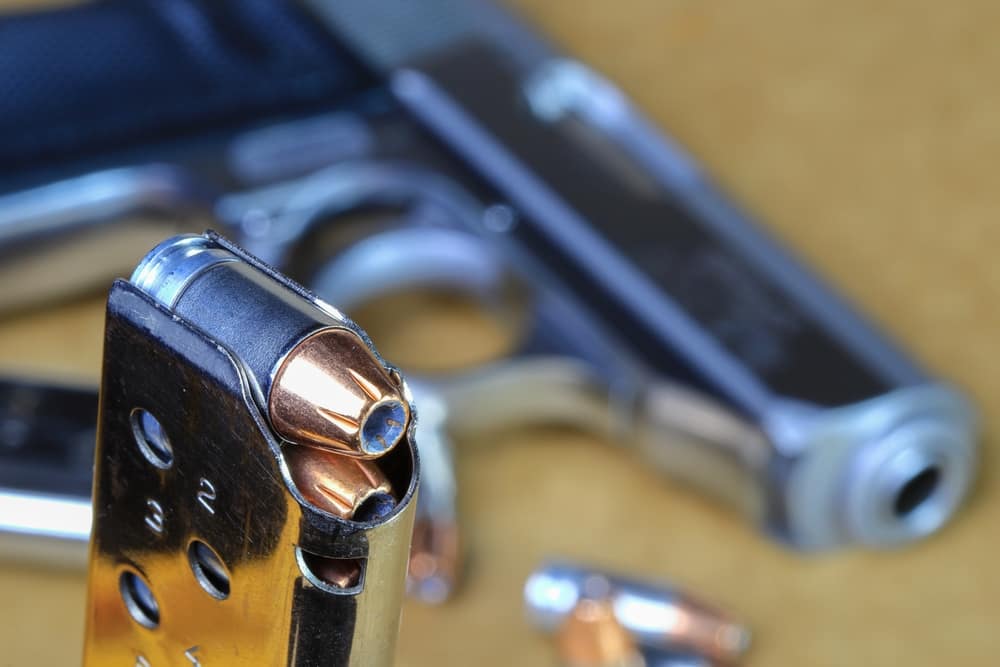
Modern hollow-point designs and improved bullet construction have enhanced the cartridge’s defensive performance compared to older ammunition generations.
While .380 ACP still generally produces less energy than larger service calibers, many shooters view modern ammunition advancements as sufficient when paired with proper shot placement and realistic defensive expectations.
This does not mean caliber differences disappear entirely. Instead, it highlights the fact that practical performance involves multiple factors beyond raw ballistic numbers alone.
Comfort Influences Long-Term Carry Habits
Concealed carry is ultimately a daily lifestyle decision.
A heavier or larger firearm may offer advantages on paper, but discomfort often reduces consistency. Firearms that print excessively, pull on clothing, or become irritating during movement may eventually get left behind.
Smaller .380 pistols are often chosen because they integrate more naturally into daily routines.
This can be especially appealing for:
- Pocket carry
- Backup carry
- Summer clothing
- Lightweight setups
- Low-profile concealment
In practical terms, comfort directly affects whether people maintain consistent carry habits over time.
Simplicity and Accessibility Matter Too
Many .380 pistols are marketed toward simplicity and ease of use.
Some shooters appreciate features such as:
- Reduced slide resistance
- Lightweight handling
- Minimal controls
- Compact storage
- Ease of transportation
However, firearm selection should always involve hands-on evaluation whenever possible because ergonomics vary significantly between individuals.
The “best” carry setup is highly personal and depends on the user’s ability to operate the firearm safely and confidently.
What Readers Should Understand About .380 ACP for Concealed Carry
The continued popularity of .380 ACP is rooted largely in practicality.
Important takeaways include:
- Smaller firearms improve concealability and comfort
- Carry consistency often matters more than caliber debates
- Recoil control affects accuracy and confidence
- Modern ammunition has improved defensive performance
- Comfortable firearms are more likely to be carried regularly
- Practical usability matters more than internet arguments
Defensive carry decisions are rarely about finding a perfect cartridge. They are about balancing tradeoffs realistically.
Practical Carry Decisions Depend on Real Life, Not Theory
Many concealed carry discussions become dominated by theoretical comparisons and online debates. Yet everyday carry decisions are usually shaped more by comfort, controllability, confidence, and consistency than by raw specifications alone.
For many shooters, .380 ACP continues to offer a practical balance between concealment and shootability. While larger calibers certainly provide advantages in some areas, smaller defensive pistols remain appealing because they fit naturally into everyday life without becoming burdensome to carry.
Ultimately, responsible concealed carry is less about winning caliber arguments and more about selecting equipment that encourages safe handling, regular practice, and dependable daily use.
Sources
- National Shooting Sports Foundation (NSSF)
- Sporting Arms and Ammunition Manufacturers’ Institute (SAAMI)
- Federal Law Enforcement Training Centers (FLETC)
- U.S. Concealed Carry Association Educational Resources
- Project ChildSafe Firearm Safety Information