
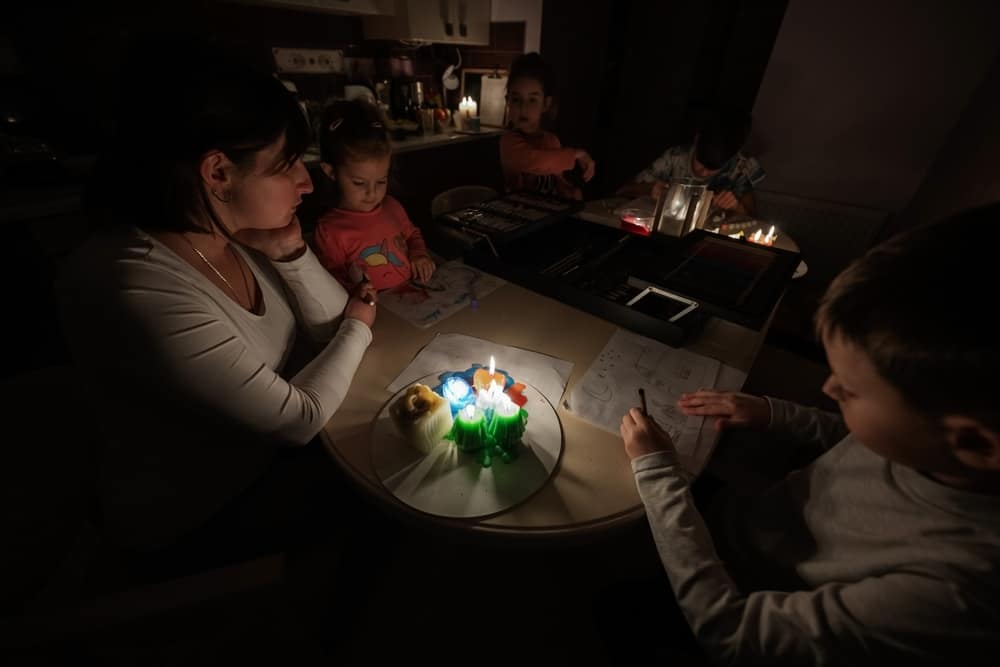
Many families believe they are reasonably prepared for emergencies simply because they own a flashlight, keep bottled water in the garage, or have a few canned goods in the pantry. While those items certainly help, real preparedness usually goes much deeper than scattered supplies.
Emergencies often expose weaknesses that people rarely think about during normal routines. Power outages disrupt communication. Severe weather interrupts transportation. Medical situations create confusion. Supply shortages reveal how dependent daily life is on systems most people assume will always function normally.
The reality is that many households are not truly unprepared because they are careless. More often, they are busy, distracted, or uncertain where to begin. Preparedness can feel overwhelming when viewed as an all-or-nothing lifestyle instead of a gradual process built through practical habits and simple planning.
Understanding the most common preparedness gaps can help families build stronger systems without turning emergency planning into fear-driven thinking.
Most People Prepare for Supplies, Not Systems
One of the biggest misconceptions about preparedness is that it revolves mainly around stockpiling equipment or food.
In reality, emergencies often expose problems involving:
- Communication
- Coordination
- Information access
- Transportation
- Medical planning
- Power loss
- Financial disruptions
A household may own emergency supplies but still lack a clear plan for what happens if family members become separated, communication networks fail, or evacuation becomes necessary.
Preparedness works best when families think in terms of systems rather than isolated items.
Communication Plans Are Often Missing
Many households have never discussed what to do during an emergency.
Questions such as these frequently go unanswered:
- Where should family members meet?
- Who contacts relatives?
- What happens if cell service fails?
- Which routes are safest during evacuation?
- Who checks on elderly family members?
Without communication planning, even relatively minor emergencies can become more stressful and disorganized.
Simple communication systems may include:
- Written emergency contacts
- Designated meeting locations
- Backup phone charging options
- Emergency radio access
- Local evacuation awareness
These steps are often more valuable than buying expensive gear without a broader plan.
Modern Convenience Creates Dependency
Many aspects of modern life depend heavily on uninterrupted systems.
Electricity powers communication, refrigeration, banking access, transportation systems, internet connectivity, and climate control. Grocery stores operate through complex supply chains that are designed for constant movement rather than long-term interruption.
Because these systems function so reliably most of the time, many households never develop backup plans until disruptions occur unexpectedly.
Even short-term outages can create challenges involving:
- Food storage
- Fuel availability
- Medication access
- Mobile payments
- Internet communication
- Transportation coordination
Preparedness is often about reducing dependency on single systems rather than expecting worst-case scenarios constantly.
Stress and Panic Reduce Decision-Making Quality
Emergencies also affect people psychologically.
Unexpected disruptions may create:
- Confusion
- Information overload
- Panic buying
- Emotional decision-making
- Delayed reactions
Households without basic preparedness systems often spend valuable time trying to figure out what to do after a crisis has already started.
Preparation helps reduce this mental pressure by creating structure ahead of time.
This is one reason emergency management experts frequently emphasize planning before disasters occur rather than reacting during them.
Preparedness Does Not Require Extreme Lifestyles
Another reason many families avoid preparedness is because they associate it with extreme survivalism or fear-based thinking.
In reality, practical preparedness often looks much simpler:
- Organized pantry systems
- Backup lighting
- Emergency contacts
- Basic medical supplies
- Financial emergency savings
- Portable power banks
- Weather awareness
- Communication planning
Preparedness is less about dramatic scenarios and more about building resilience during temporary disruptions that are statistically far more likely to occur.
Small improvements made consistently over time usually create stronger results than panic-driven preparation during emergencies.
What Readers Should Understand About Family Preparedness
Preparedness is most effective when approached calmly and realistically.
Important takeaways include:
- Supplies alone are not enough without planning
- Communication systems are critical during emergencies
- Modern households depend heavily on uninterrupted infrastructure
- Stress reduces decision-making quality during crises
- Small preparedness steps build long-term resilience
- Preparedness is about reducing vulnerability, not living in fear
Most effective preparedness systems are built gradually through practical habits rather than sudden dramatic changes.
Real Preparedness Often Looks Quiet and Ordinary
Many people imagine preparedness as something dramatic or extreme, but most resilient households simply build practical systems that make everyday life more stable. Organized supplies, communication plans, backup lighting, emergency savings, and situational awareness may seem ordinary during normal times, yet those small systems become incredibly valuable when disruptions occur unexpectedly.
Preparedness is not about predicting every possible emergency perfectly. It is about creating enough flexibility and organization to respond more calmly when conditions change suddenly.
In many ways, truly prepared families are not necessarily the ones with the most equipment. They are often the ones who have thought ahead, communicated clearly, and built dependable habits that continue working when normal routines are interrupted.
Sources
- Federal Emergency Management Agency (FEMA) Preparedness Resources
- American Red Cross Emergency Planning Resources
- Centers for Disease Control and Prevention (CDC) Emergency Preparedness Information
- U.S. Department of Homeland Security Preparedness Guidance
- National Weather Service Safety and Emergency Information